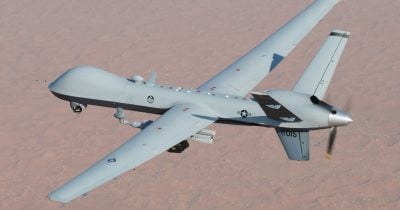
Jordan's air defenses intercepted Iranian missiles this week, a move that underscores the escalating tensions across the Middle East. The incident comes as a prediction market now puts a 34.5% probability on a full airspace closure in the region by July 31.
Why the interception matters
The missile interception marks a direct military engagement between Jordan and Iran, two countries that have not been in open conflict. Jordanian forces detected and shot down the projectiles, though officials have not said what the missiles were targeting or whether any debris caused damage. The action signals that the conflict between Iran and its adversaries is spilling into neighboring countries.
Regional tensions have been building for months. Iran has been involved in a series of confrontations with Israel and other nations, and its missile program has been a flashpoint. Jordan, a key U.S. ally, has often tried to stay out of direct confrontations. This interception changes that posture.
What the prediction market says
Prediction markets, where traders bet on the likelihood of future events, are now pricing in a 34.5% chance that the region's airspace will be fully closed by July 31. That number has climbed in recent days, reflecting growing unease about the trajectory of the conflict. A full airspace closure would ground commercial flights, disrupt supply chains, and force airlines to reroute around the region.
The 34.5% figure is not a forecast—it's a snapshot of what traders believe right now. But it's high enough to get the attention of airlines and governments. If the probability keeps rising, carriers may start canceling flights preemptively.
What a full closure would mean
Closing the airspace over a region as large as the Middle East would be unprecedented in recent history. It would affect flights between Europe, Asia, and Africa, forcing long detours. Airlines would face higher fuel costs and longer flight times. For passengers, it could mean canceled trips and stranded travelers.
The July 31 deadline is less than two weeks away. If the prediction market is right, the window for normal air travel is shrinking fast. Jordan's interception of Iranian missiles only adds to the sense that the situation is deteriorating.
For now, the region's airspace remains open. But the 34.5% probability is a number that keeps rising—and that's what worries people most.