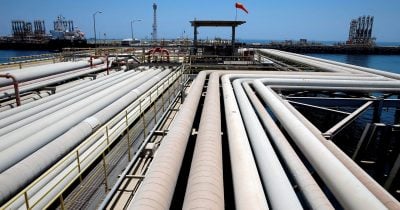
Kazakhstan has halted all crude oil exports through the Caspian Pipeline Consortium (CPC) pipeline to the Black Sea after Ukrainian drone strikes struck the Novorossiysk terminal. The disruption, which took effect immediately, cuts off more than 80% of the pipeline's throughput — a major blow to the country's primary export route. The move comes as a direct response to the attack, which damaged infrastructure at one of Russia's key oil export hubs.
Why the pipeline was shut
Ukrainian drones hit the Novorossiysk terminal on the Black Sea coast, causing damage that forced the suspension. The CPC pipeline is the only major route for Kazakh crude to reach global markets, carrying roughly 1.2 million barrels per day at full capacity. The consortium, which includes shareholders from Kazakhstan, Russia, and several international oil companies, had already been operating under pressure from previous outages and maintenance issues. The latest strike makes the situation worse.
What's at stake for global oil markets
The shutdown removes a significant chunk of supply from a market already tight after OPEC+ cuts and sanctions on Russian oil. Kazakhstan relies on the CPC for about 80% of its exports, so the outage threatens to deepen the country's fiscal strain. Traders are watching crude prices, which have already climbed in recent weeks. The disruption could push them higher if the terminal stays closed for days or weeks. The exact duration of the halt is unknown.
Who's involved in the CPC
The CPC is a consortium led by Russia's Transneft, with a 24% stake, and Kazakhstan's KazMunayGas, holding 19%. Chevron, ExxonMobil, and Shell are among the major international shareholders. The pipeline runs from Tengiz in western Kazakhstan to the port of Novorossiysk, where tankers load for export. The terminal is critical for both Kazakh and Russian crude, though Russia has other export options. Kazakhstan doesn't.
What happens next
Engineers are assessing the damage at Novorossiysk, but no timeline for repairs has been released. Kazakhstan's government has said it's in talks with the CPC to find alternative routes, though those options are limited. The country's other export pipelines — to China and through the Baku-Tbilisi-Ceyhan route — have far less capacity. The market is now waiting for any update on when the terminal might restart, or if the outage will drag on. For now, the flow of oil is stopped.