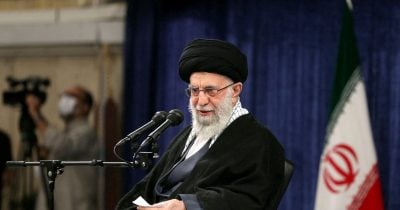
Iran’s Supreme Leader Ali Khamenei has laid down sweeping preconditions for any nuclear negotiations with the United States, a move that threatens to deepen the diplomatic gridlock over Tehran’s atomic program. The tough conditions were outlined in a statement from Khamenei’s office, though the full list has not been made public. The stance comes as efforts to revive the 2015 nuclear deal remain frozen.
The preconditions laid out
Khamenei’s demands go beyond the usual negotiating positions, according to Iranian state media reports. They include binding guarantees that the US will not withdraw from any future agreement, a full and verifiable lifting of sanctions, and a formal end to what Tehran calls Washington’s “hostile policies.” The conditions were described as “non-negotiable” by Khamenei’s representatives. US officials have not yet responded publicly, but previous rounds of indirect talks have stalled over similar issues.
Regional instability and diplomatic fallout
The hard line risks exacerbating already high tensions in the Middle East. Iran’s neighbors have watched the nuclear impasse with concern, fearing that a total breakdown could trigger a new arms race or even military confrontation. Israel has repeatedly threatened preemptive strikes on Iranian nuclear sites if diplomacy fails. The diplomatic deadlock also weakens the position of European mediators who have tried to broker a compromise between Washington and Tehran. The UN’s nuclear watchdog, the IAEA, continues to report that Iran is enriching uranium to near weapons-grade levels, but its inspectors have been denied access to key sites.
Global security and economic ripples
The standoff has wider implications for global security. A failure to contain Iran’s nuclear program could push other regional powers to seek their own atomic capabilities. On the economic front, oil markets are already jittery. Any disruption in the Strait of Hormuz — through which about a fifth of the world’s crude passes — could send prices spiking. Iran has threatened to close the waterway in the past when tensions escalated. Investors are watching for signs of a further escalation, though no major market moves have been reported yet.
For now, the path forward remains unclear. The US has not formally responded to Khamenei’s preconditions, and no new talks have been scheduled. Without a shift from either side, the nuclear crisis is likely to drag deeper into the first half of 2025, raising the risk of another diplomatic collapse.