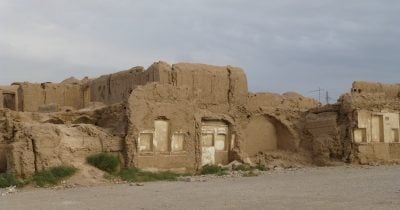
A strike hit Iran's Khorramabad area as US-Israeli military operations continue, according to reports from the region. The attack adds to the broader campaign against Iranian targets. Separately, prediction markets are now pricing a 10.5% chance that the Iranian regime will fall by the end of 2026.
Attack on Khorramabad
Details of the strike on Khorramabad remain sparse. Local sources have confirmed explosions in the area, but the extent of damage or casualties isn't yet known. The attack is the latest in a series of operations that the US and Israel have been carrying out against Iran.
Khorramabad is a city in western Iran. The strike there appears to be part of the ongoing military actions, though its specific target has not been disclosed. The lack of immediate information leaves many questions about the operation's scope.
US-Israeli Military Campaign
The US and Israel have been conducting coordinated military actions aimed at Iran's nuclear and military infrastructure. The exact scope of these operations has not been fully disclosed, but the Khorramabad strike is part of this broader effort. The campaign has drawn international attention, with concerns about escalation.
Both countries have not publicly commented on the Khorramabad attack, and the timing of the strike relative to other operations is unclear. What is known is that the military actions are ongoing, and they're likely to continue in the near term.
Prediction Market Signals
On prediction markets, traders are betting on the likelihood of political change in Iran. The current odds of 10.5% YES for the regime falling by the end of 2026 reflect a belief that the ongoing conflict could destabilize the government. These markets allow participants to buy and sell contracts that pay out if a specific event occurs, and the price represents the market's perceived probability.
The 10.5% figure is a low probability, but it's not negligible. For every $100 wagered on that outcome, a trader would receive about $952 if the regime falls by 2026. Such markets have been used in the past to gauge geopolitical risk, though they are not always accurate predictors of actual events.
The odds suggest that while regime change is not the base case, it's not out of the question either. The situation remains fluid, and the prediction market data provides one measure of the uncertainty surrounding Iran's political future.
The next phase of the US-Israeli operations and Iran's response will be closely watched. The prediction market odds, though low, indicate that traders are not dismissing the possibility of regime change in the medium term. For now, the focus remains on the immediate military actions and their fallout.