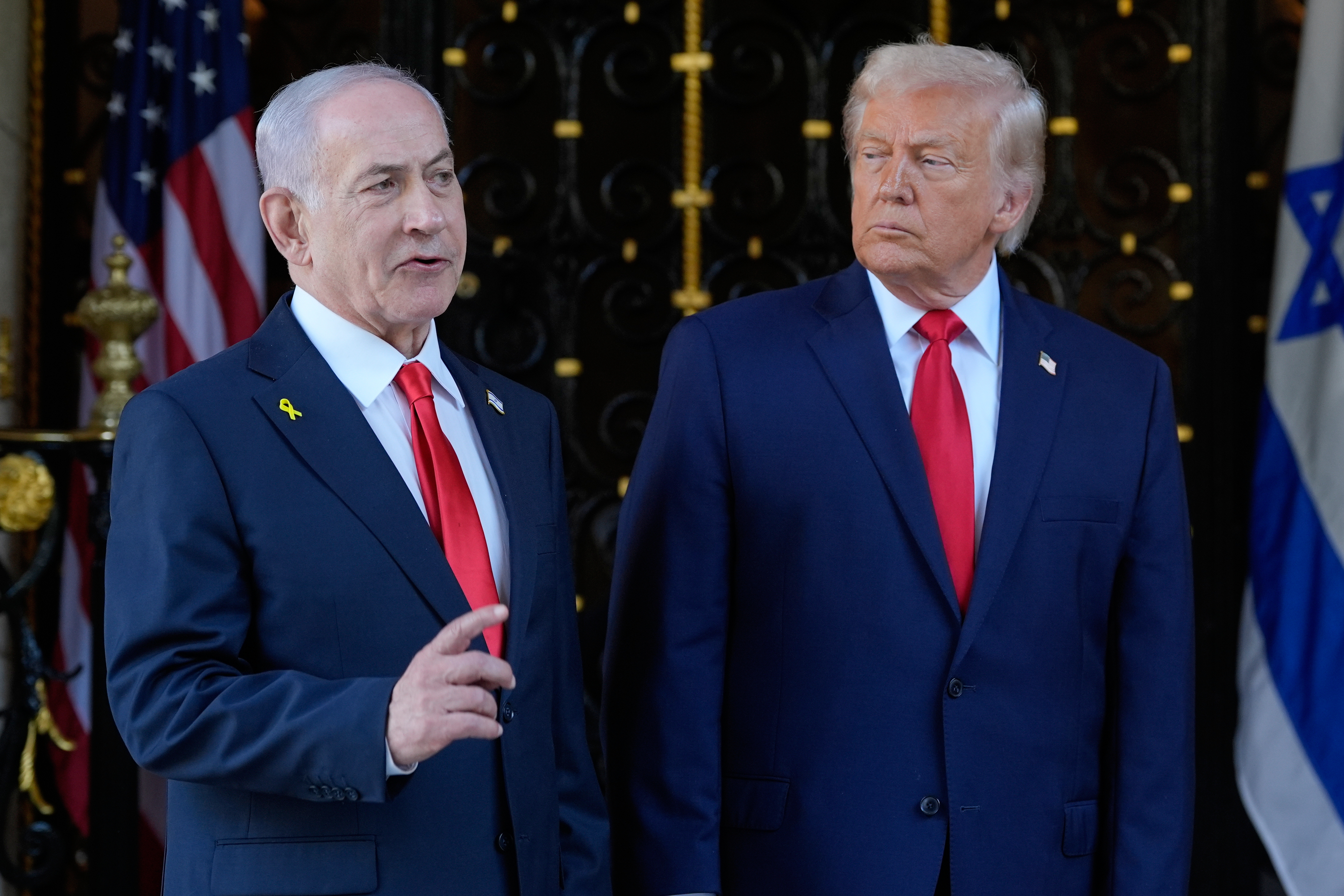
Brazil's President Lula and his opponent Bolsonaro met in the first presidential run-off debate of the campaign, a week before the October 25 vote. The candidates lobbed a barrage of attacks at each other through the session. It was the first time the two had shared a debate stage since the run-off contest was set.
A debate built on attacks
The format didn't produce much in the way of new policy ground. Both candidates came to hit, and they did. For voters still deciding, the takeaway is less about what each would do in office and more about how they behave when they're in the same room. The run-off is now seven days out.
📊 Market Data Snapshot
Why crypto traders are watching Brazil at all
Brazil isn't a top-tier crypto story this week, and nobody should pretend otherwise. But it's one of the most crypto-active retail markets anywhere, with a stablecoin and dollar-cost-averaging culture that runs alongside the Pix payment rails, plus growing access to spot Bitcoin ETFs through the local exchange B3. When Brazilian politics gets loud, the real and local risk appetite tend to move with it. That's the transmission channel worth tracking — not the debate itself.
The timing isn't great either. Bitcoin is up 1.21% over 24 hours but down 1.59% over the past week on low volume, which is about as trendless as a tape gets. Total crypto market cap is off 3.00% in the same 24-hour window while BTC is green, a split that points to altcoins taking the hit and dominance climbing. If Brazilian retail does decide to hedge, the flow has one obvious destination: BTC/USDT stablecoin pairs. Not ETH. Not small caps.
The signal to watch is the real, not the headline
Brazilian retail rotates into USDT and BTC when the real weakens. The trigger for that rotation is usually macro — fiscal news, interest-rate expectations, FX stress — not debate rhetoric. So the number that matters for the next week is USD/BRL, alongside local exchange volumes. If the real holds, the debate is noise. If it doesn't, crypto volumes in Brazil can pick up even while global prices stay flat.
There's a date problem worth flagging. The facts here place the vote on October 25, and Brazil's general-election calendar doesn't line up cleanly with that date in any recent cycle — the 2022 first round was October 2 and the run-off October 30. Anyone treating this as a live catalyst for BTC should check the calendar before they trade it. The debate is real. Whether it's a market event is a separate question.
What happens next
The run-off vote is set for October 25. Between now and then, watch USD/BRL and Brazilian exchange volume for a divergence from global spot. Bitcoin is likely to keep chopping in its recent range on low volume; this debate alone won't break it one way or the other. The political risk premium, if there is one, unwinds after the result is known and accepted — and that's the moment, not the debate, that local traders will actually react to.