Betting markets show Marine Le Pen’s chances of winning the 2027 French presidential election have climbed to 30%, while Republican lawmakers in Washington are sounding alarms over a crumbling ceasefire with Iran. The twin developments underscore how sudden security shocks can quickly reshape the political risk landscape.
Polymarket Odds Reflect Growing Confidence
According to Polymarket, a decentralized prediction platform, the probability that Le Pen secures the French presidency in 2027 now stands at 30%. That’s a notable increase from earlier levels, though the election is still years away. The shift suggests bettors see a clearer path for the far-right leader, even as the French political scene remains fragmented.
Le Pen has not yet formally declared her candidacy, but her party, the National Rally, has been gaining ground in local contests. The 30% figure does not guarantee victory — it simply reflects the current sentiment among those willing to put money on the outcome. Polymarket odds have been used by analysts as a real-time gauge of political sentiment, though they are not always predictive.
Iran Ceasefire Unraveling Worries Republicans
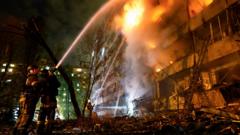
Separately, a previously reported ceasefire with Iran appears to be falling apart. Republican lawmakers, who have long taken a hard line on Tehran, are expressing renewed concern. They argue that the breakdown could lead to increased instability in the Middle East and embolden Iran’s nuclear ambitions.
The ceasefire was never formalized in writing, but informal understandings had held for weeks. Now, with reports of renewed skirmishes and diplomatic stalemate, Republicans are pressing the administration for a clearer strategy. Several have called for tougher sanctions and a reassessment of U.S. military posture in the region.
Security Shocks and Political Risk
The simultaneous rise of Le Pen’s odds and the unraveling of the Iran ceasefire illustrate a broader pattern: security shocks can reshape political risk narratives overnight. A sudden crisis — whether a failed cease-fire, a terrorist attack, or a market crash — tends to boost candidates who promise order and strength. In France, that dynamic has historically helped Le Pen. In the U.S., it has fueled hawkish foreign policy stances.
For now, the two stories are unfolding independently. But the underlying logic is the same: when established arrangements break down, voters and investors alike recalibrate. The 2027 French election is still more than three years away, and the Iran situation remains fluid. But the current odds and the lawmakers’ concerns suggest that the political ground is shifting beneath both stories.