Commercial vessels are once again moving through the Strait of Hormuz after the United States and Iran agreed to a ceasefire, ending a period of heightened military tension in one of the world's most critical oil chokepoints. The resumption of traffic brings a measure of relief to global energy markets that had braced for potential supply disruptions.
Why the ceasefire matters for global oil
The Strait of Hormuz, a narrow waterway between Iran and Oman, handles roughly a fifth of the world's oil supply. Any closure or heavy disruption there tends to send crude prices spiking. The ceasefire may ease those geopolitical pressures, according to analysts who track the region. Tankers that had been idling or rerouting are now passing through again, though the exact number of vessels affected remains unclear.
The agreement comes after weeks of posturing that included U.S. naval deployments and Iranian threats to block the strait. Neither side has released the full terms of the ceasefire, but both appear to have pulled back from the brink. The immediate result is a return to normal shipping schedules for oil tankers and cargo ships.
Reducing the military footprint
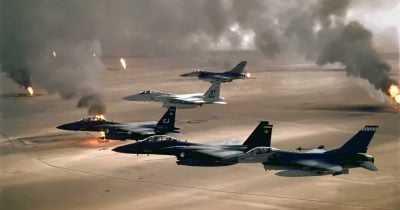
The ceasefire also opens the door for a potential drawdown of military assets. The U.S. had moved additional warships and aircraft into the region as a show of force. With the pause in hostilities, the Pentagon may reduce that presence, lowering the risk of accidental engagement. Iranian forces, too, have reportedly stood down from their alert posture along the coast.
For shipping companies, the change is a welcome break from war-risk insurance premiums that had jumped. The cost to insure a vessel transiting the strait had climbed sharply in recent weeks. Now, with the ceasefire in place, those rates could drop — though brokers warn they remain volatile.
What comes next
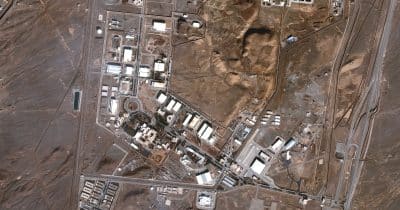
The ceasefire is temporary, and its long-term durability is uncertain. Neither Washington nor Tehran has committed to broader negotiations. The resumption of maritime traffic is the most tangible sign of de-escalation so far, but the underlying disputes over Iran's nuclear program and U.S. sanctions remain unresolved.
For now, ships are moving again. The question is how long the calm will hold.