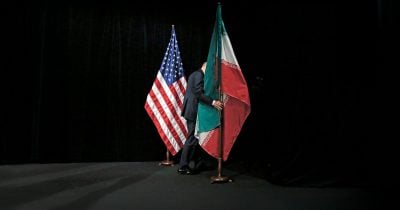
Mediators are working to secure a temporary agreement between Iran and the United States aimed at extending a fragile ceasefire. The effort comes as both sides face mounting pressure to prevent the ceasefire from collapsing, a scenario that could roil global oil markets, inflame regional tensions, and complicate diplomatic relations worldwide.
What’s at stake
A breakdown of the ceasefire wouldn’t stay contained. Analysts within the energy sector warn that any renewed hostilities could disrupt oil shipments through key chokepoints, sending crude prices higher. Regional powers have already begun positioning themselves, and a wider conflict could drag in multiple countries. On the diplomatic front, a collapse would undo months of painstaking talks and set back efforts to ease broader tensions across the Middle East.
The ceasefire’s fragility
The current truce has held for weeks but remains brittle. Neither Iran nor the US has publicly committed to a longer-term arrangement, and both sides have accused each other of violations. Mediators, who have shuttled between capitals, say the window for a stopgap deal is narrow. Without one, the ceasefire could unravel quickly, reigniting confrontations that had been paused.
Mediators in the middle
The go-betweens have not been named publicly, but their role is critical. They are shuttling proposals and trying to bridge gaps on key sticking points — issues like troop positions, sanctions relief, and the timing of any pullback. The goal is a short-term extension, not a permanent settlement, buying time for more comprehensive negotiations. So far, neither side has walked away, but progress has been incremental.
Mediators have not set a public deadline for the talks. The next steps depend on whether both parties can accept even temporary compromises. For now, the ceasefire holds, but its future hangs on whether the stopgap deal can be sealed soon.