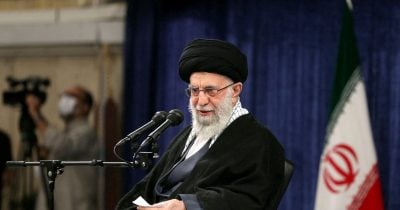
The ongoing geopolitical instability in the Middle East is creating fresh headwinds for the global economy, threatening to slow growth and complicate central bank policy. According to recent assessments, the heightened tensions are reducing the likelihood that the Federal Reserve will cut interest rates anytime soon, while simultaneously propping up energy prices.
Growth Risks from Middle East Instability
Unrest in the region has a track record of disrupting supply chains and stoking uncertainty. This time around, analysts point to a broader drag on economic expansion that could last well beyond any immediate flare-up. The risk isn't just confined to oil markets it seeps into trade routes, investment decisions, and consumer confidence across multiple continents.
Countries heavily reliant on energy imports are especially vulnerable. A sustained period of elevated prices would eat into disposable incomes and raise production costs for businesses, dampening the kind of robust growth that policymakers had hoped for in the second half of the year.
Fed's Rate Path Complicated by Instability
The Federal Reserve has been navigating a tightrope between cooling inflation and avoiding a recession. Middle East tensions now add a new layer of complexity. With energy prices staying higher for longer, inflation could prove stickier than expected, giving the Fed little room to lower rates.
Chair Jerome Powell and his colleagues have repeatedly said their decisions will be data-dependent. But the geopolitical dimension is harder to quantify. A rate cut that might have made sense in a stable environment now carries the risk of reigniting price pressures if oil prices spike again. The central bank's next meeting is widely expected to hold rates steady, with any dovish shift pushed further into the future.
Energy Markets Brace for Sustained High Prices
Crude oil prices have already rallied on the back of the tensions, and traders see little reason for a retreat in the near term. The region accounts for a significant share of global production, and any disruption even the threat of one tends to keep a floor under prices.
That's bad news for consumers already grappling with elevated gasoline and heating costs. It also complicates the broader inflation fight: cheaper energy was supposed to help drive headline inflation down toward the Fed's 2% target. With that tailwind fading, the path to lower rates gets even narrower.
For now, the combination of geopolitical risk and stubborn energy prices keeps the Federal Reserve on hold. The next policy meeting will offer the clearest signal yet of whether officials see enough progress to eventually ease or if the Middle East has effectively taken a rate cut off the table for 2025.