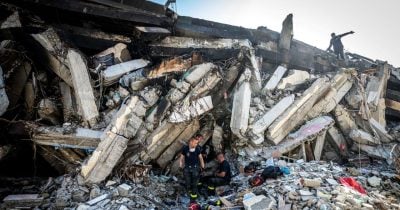
Eight Muslim-majority countries have publicly denounced Israel's latest raid on the Al-Aqsa Mosque compound in Jerusalem, escalating diplomatic tensions just as a prediction market suggests a 74.5% probability that a ceasefire between Israel and Iran will be in place by July 25.
Condemnation from across the Muslim world
Jordan, Saudi Arabia, the United Arab Emirates, Qatar, Egypt, Turkey, Malaysia, and Pakistan each issued statements criticizing the Israeli security forces' operation at the holy site. The raid, which took place earlier this week, saw Israeli police enter the mosque compound during morning prayers, leading to clashes with worshippers. Several people were injured, and dozens were detained.
Jordan's Foreign Ministry called the move a “violation of international law” and a “provocation” that could inflame regional sentiment. Saudi Arabia's statement urged Israel to respect the sanctity of the mosque. The UAE, which normalized relations with Israel under the Abraham Accords, still condemned the raid, highlighting the sensitivity of the site even among countries with diplomatic ties.
Turkey's President Recep Tayyip Erdoğan was among the most vocal, accusing Israel of “terrorizing innocent civilians” and calling for an immediate halt to such operations. Malaysia and Pakistan also joined the chorus, with Pakistan's Foreign Office warning that the raid could undermine efforts toward regional peace.
Ceasefire odds rise amid tensions
Despite the diplomatic fallout, a leading prediction market now gives a 74.5% chance that a ceasefire between Israel and Iran will be in effect by July 25. The market aggregates bets from thousands of traders, reflecting a growing belief that behind-the-scenes negotiations may be making headway. The figure marks a significant jump from just a month ago, when the probability hovered around 40%.
The timing is notable. The Al-Aqsa raid threatens to inflame public opinion across the region, potentially complicating any quiet diplomatic channels. Iran has long used the Palestinian cause as a rallying point, and any perceived Israeli aggression at the mosque could strengthen hardliners in Tehran who oppose a truce.
Yet the prediction market suggests that traders see a path to de-escalation. No official confirmation of talks has come from either side, but the market's shift implies that intermediaries—likely including Qatar, Oman, or even the United Nations—may be making progress.
What the raid means for the ceasefire track
The Al-Aqsa compound is one of the most sensitive flashpoints in the Israeli-Palestinian conflict. It sits on the Temple Mount, revered by Jews as the site of the ancient temples and by Muslims as the third holiest site in Islam. Any change to the status quo—under which Jews can visit but not pray—often triggers violence.
Israel says the raid was a response to worshippers stockpiling stones and fireworks inside the mosque, intending to attack police. Palestinian and Muslim leaders reject that justification, calling it a pretext for asserting Israeli control over the site.
The eight-nation condemnation puts pressure on Israel diplomatically, but it also gives Iran a reason to delay or walk away from any ceasefire. If Tehran sees an opportunity to rally Muslim anger, it might calculate that a truce is less urgent. On the other hand, a ceasefire could help cool the broader region, including the West Bank and Gaza.
Next steps and open questions
The prediction market's deadline of July 25 is just weeks away. No formal announcement of ceasefire talks has been made, and the Al-Aqsa raid may force both sides to recalibrate. The United States, a key backer of Israel, has not yet commented on the condemnation from Muslim nations. Meanwhile, the Organization of Islamic Cooperation is expected to hold an emergency meeting to discuss the raid.
Whether the prediction market's optimism holds—or collapses under the weight of fresh anger from the mosque—remains the open question.