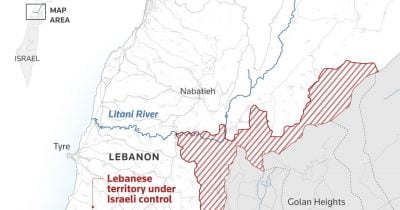
Israeli Prime Minister Benjamin Netanyahu has vowed to maintain Israel’s security zone in Lebanon indefinitely, a commitment that removes any expectation of a near-term withdrawal. The statement, issued without a specific timeline, cements a long-term military presence on Lebanese soil.
No timeline for exit
The prime minister’s vow leaves the door shut on any scheduled pullout. The security zone, a strip of territory inside southern Lebanon, has been a cornerstone of Israel’s northern defense strategy for years. Netanyahu offered no conditions or benchmarks that would trigger a withdrawal, suggesting the government sees the zone as a permanent fixture.
This marks a clear shift from earlier positions that hinted at a possible phased exit. Instead, the indefinite pledge locks in a posture that could last through multiple Israeli administrations.
What the zone covers
The security zone stretches along the border, giving Israeli forces a buffer against attacks. While the exact boundaries are not public, the area includes observation posts, patrol routes, and military positions. The zone has been a flashpoint in cross-border incidents, though Netanyahu’s vow signals that Israel plans to keep those assets in place no matter what.
Local residents on both sides of the border have lived with the zone’s presence for years. The indefinite commitment means they’ll continue to do so for the foreseeable future, with no end in sight.
Regional and diplomatic fallout
The vow is likely to strain ties with Lebanon, which views the security zone as a violation of its sovereignty. International bodies have previously called on Israel to respect Lebanon’s territorial integrity, and this statement may reignite those demands. No official response from Lebanese authorities has been reported yet, but the stance is expected to complicate any future negotiations.
Within Israel, the policy reinforces a hard-line security doctrine. Critics may argue that an indefinite presence drags the military into an open-ended commitment, while supporters see it as essential for preventing attacks from across the border. The lack of a timeline leaves little room for diplomatic flexibility.
The coming weeks will likely bring fresh statements from UN envoys and regional governments, but Netanyahu’s position appears firm. For now, the security zone is here to stay, and no one has said how long “indefinitely” really means.