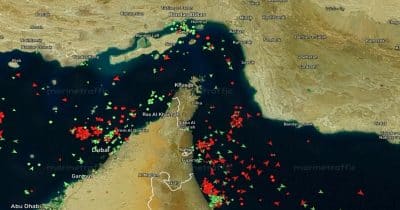
Oil prices dropped Monday after supply resumed flowing through the Strait of Hormuz, ending a disruption tied to a new peace deal between the United States and Iran. The agreement, announced over the weekend, reopened the critical shipping lane that carries about one-fifth of the world's petroleum. Traders responded by pricing in renewed access, sending crude benchmarks down in early trading.
Supply resumes through a global chokepoint
The Strait of Hormuz connects Persian Gulf producers to global markets. For days, tanker traffic had been stalled amid heightened tensions between Washington and Tehran. The peace deal cleared the way for normal operations to restart, with the first vessels passing through without incident late Sunday. Oil companies and shipping firms had been bracing for a prolonged closure, but the rapid diplomatic resolution caught many off guard.
The resumption added an estimated 17 million barrels per day of potential supply back into the global system. That influx helped push Brent crude below $70 a barrel for the first time in weeks. West Texas Intermediate followed suit, falling about 4% on the day.
Short-term stability for nervous markets
Analysts inside the industry describe the deal as a temporary stabilizer. The agreement removes an immediate threat to supply, but doesn't address deeper structural issues that have kept oil prices volatile all year. The peace deal may calm markets for now, but the underlying dynamics — including OPEC+ production cuts and slowing demand from China — remain unchanged.
Some traders saw the price drop as a buying opportunity, noting that the deal doesn't guarantee long-term peace. “The market is relieved, but not yet confident,” one broker told Reuters. “We've seen agreements fall apart before.”
Uncertainties that could disrupt future negotiations
Looming uncertainties could undermine the deal in the coming months. Neither side has released the full text of the agreement, leaving room for interpretation and potential disputes. Iran's internal politics remain a wild card: hardliners in Tehran have already criticized the deal as a concession to the West. On the US side, the administration faces pressure from allies in the region who worry about Iran's regional ambitions.
Economic dynamics tied to the deal are also fragile. The agreement includes provisions for sanctions relief and investment, but implementation will take time. If either side perceives the other as not living up to its commitments, the Strait could become a bargaining chip again.
For now, oil markets are watching for the next diplomatic steps. A follow-up round of talks is expected within 30 days, but no date has been set. Until then, the risk of another disruption remains on the table.