Oil prices rose 4.1% after President Trump rejected a peace proposal from Iran, a move that could deepen global economic instability and raise costs for consumers. The rejection came as energy markets were already on edge over supply disruptions and geopolitical tensions.
Why the rejection matters
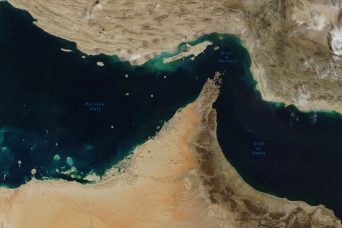
The proposal, floated by Iranian officials in recent days, was meant to ease tensions in the Persian Gulf and offer a path back to diplomacy. Instead, Trump’s decision to dismiss it outright sent crude futures sharply higher. The price jump reflects fears that the standoff will only intensify, keeping supply risks elevated.
Higher oil prices are a double-edged sword. They boost revenues for producers but hit consumers at the pump and raise input costs for businesses already grappling with inflation. For economies still recovering from the pandemic, the added pressure could slow growth and fuel political unrest in import-dependent nations.
The immediate effect is a tighter supply outlook. Iran has been subject to U.S. sanctions that limit its oil exports, and a diplomatic breakthrough could have lifted them. By rejecting the proposal, the administration has removed that possibility for now, leaving the market to price in continued restrictions.
Traders are now watching for any retaliatory moves from Iran, such as stepping up its nuclear program or disrupting tanker traffic. Both scenarios would add risk premiums to crude prices. The 4.1% spike is the first major move in weeks, but analysts warn that volatility is likely to persist.
Consumer costs and economic strain
For everyday Americans, the rise in oil prices means higher gasoline prices. The national average for a gallon of regular could climb by several cents in the coming days, adding to household budgets already squeezed by rent and food costs. Globally, countries that rely on imported oil—especially in Asia and Africa—face a heavier burden.
The article that reported the price jump noted that rising oil prices could exacerbate global economic instability, impacting energy markets, consumer costs, and geopolitical tensions. That assessment now looks prescient, as the rejection of Iran’s proposal has removed a potential safety valve from the market.
Geopolitical tensions ahead
The decision also resets the diplomatic landscape. Iran’s proposal was seen as a overture by a government under pressure from sanctions and domestic protests. By turning it down, the Trump administration has signaled that it will stick with a maximum-pressure strategy. Tehran may now face a choice between making more concessions or hardening its stance.
What happens next depends on whether either side moves toward dialogue or confrontation. The oil market will be watching for any sign of military escalation or new sanctions. For now, the price spike is a clear signal that the standoff is far from over.