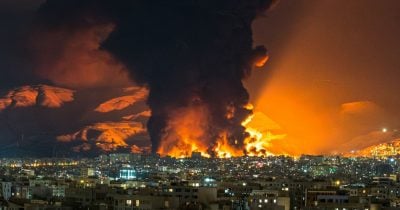
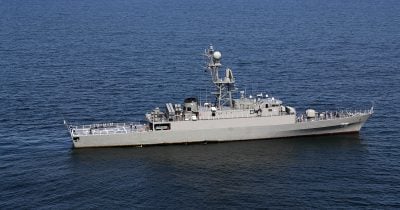
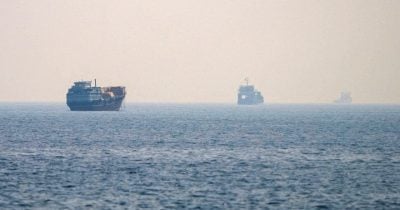
An oil spill from a tanker operating as part of the so-called shadow fleet is spreading off the coast of Oman, raising alarms about a potential environmental disaster and disruption to one of the world's most vital maritime chokepoints. The spill threatens the Strait of Hormuz, a narrow waterway that handles roughly a fifth of global oil shipments. The incident underscores the vulnerabilities in global oil supply chains and the mounting geopolitical tensions that complicate maritime security and logistics in the region.
The shadow fleet risk
The tanker involved is part of a shadow fleet — vessels that often lack proper insurance, maintenance, or clear ownership, and are used to move oil from countries under international sanctions. These ships frequently operate without full compliance with maritime safety standards. The spill off Oman is the latest in a series of incidents that highlight the dangers these unregulated vessels pose to the environment and to shipping lanes. Investigators are still working to determine the exact cause of the leak and the volume of oil released, but early reports suggest the slick is already spreading.
Strait of Hormuz chokepoint
The Strait of Hormuz is a narrow passage between Oman and Iran, through which about 17 million barrels of oil pass daily. Any significant disruption there could send shockwaves through global energy markets. The spill is not yet blocking the strait, but its proximity means cleanup efforts must be swift to prevent the slick from drifting into the main shipping channel. The Omani government has not yet issued a formal statement on containment measures, but local authorities are likely coordinating with international partners. The risk of a prolonged closure or slowdown in the strait is low for now, but the situation is being monitored closely by shipping companies and oil traders.
Geopolitical backdrop
The spill comes at a time of heightened geopolitical tensions in the Middle East. The shadow fleet has grown rapidly in recent years as Western sanctions on Iranian and Russian oil have pushed more trade into opaque, unregulated channels. This incident is a stark reminder that those sanctions have a downstream cost: the safety of the global shipping infrastructure. Maritime security experts have long warned that a major accident involving a shadow fleet vessel could trigger a crisis that no single country is prepared to handle. The Strait of Hormuz is already a flashpoint, with Iran periodically threatening to close it. An environmental disaster there would only add to the instability.
What happens next
Cleanup operations are expected to begin in earnest once the full extent of the spill is assessed. The Omani government will likely request international assistance, but the lack of clear ownership of the tanker complicates liability and compensation. Questions remain about who will pay for the cleanup and whether the vessel's insurance — if it exists — will cover the damage. For now, the world watches the slick and waits for the next report from the region. The spill is a test of how the global community handles a crisis born from the shadow economy of oil.