Oil prices are climbing fast as Middle East conflicts escalate and threats to key shipping routes grow. The rally is raising fresh alarms about inflation, central bank policy, and global economic stability. A panel of analysts and economists discussed the ripple effects this week, though no one expects a quick resolution.
Why Oil Is Rising
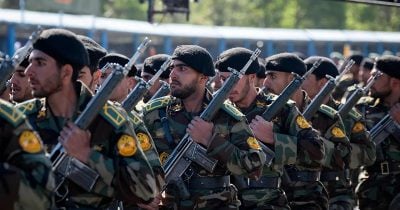
The latest price surge stems from heightened tensions across the Middle East. Attacks on vessels near strategic chokepoints have made insurers and shippers nervous. Some routes are now considered high-risk, forcing tankers to take longer, costlier detours. That's tightening supply just as global demand remains steady. The result: crude benchmarks have jumped several dollars in a matter of days.
This isn't a repeat of last year's spike, but the pattern is familiar. Each new disruption adds a premium to the barrel. Traders are watching for any sign of escalation that could knock out a major producer or close a critical waterway.
The Inflation Risk
Higher oil prices don't stay at the pump. They seep into everything — transportation, manufacturing, heating, plastics. That means the cost of goods and services could rise again, just when inflation had started to cool in many economies. The panel noted that energy is a key input, so a sustained rally would push headline inflation higher. That's bad news for households already stretched by higher living costs.
But the effect isn't automatic. Some of the increase gets absorbed by producers or retailers. Still, the direction is clear: up. And if oil stays above $90 a barrel for months, the inflation fight gets harder.
Central Banks in a Bind
Central banks have been signaling they're done raising rates. Some were even preparing to cut. A new oil shock could change that calculus. Higher inflation would make it harder to ease policy, and might even force a pause or a hike. The panel discussed how this puts central banks in a tough spot: they don't want to choke growth, but they also can't let inflation re-ignite.
The Federal Reserve, the European Central Bank, and others are all watching the oil market closely. Their next moves depend on whether this surge is temporary or structural. Right now, no one knows.
What the Panel Said
During a recent discussion on the economic impacts, panelists laid out the risks without sugarcoating them. They pointed to the fragility of global supply chains and the lack of spare production capacity. One panelist described the situation as a "slow-motion crisis" that could last for months. Another warned that the biggest danger is complacency — assuming the market will self-correct.
The panel didn't offer easy answers. They agreed that governments need contingency plans, but few have them ready. Strategic reserves can help, but they're not infinite.
The immediate question is whether the shipping threats will escalate or ease. If they do, oil could push past $100. If they don't, prices might settle. But the underlying tensions in the Middle East aren't going away. For now, the world is left watching the tanker routes and waiting for the next headline.