Oman has pulled out of joint escort operations with the United States for oil tankers transiting the Strait of Hormuz, a move that carries the risk of destabilizing regional security and pushing crude prices higher. The decision, confirmed by Omani officials, ends a period of cooperation that had helped safeguard one of the world's most critical oil shipping lanes.
Why the cooperation mattered
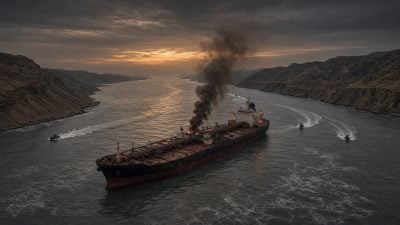
The Strait of Hormuz is a narrow waterway between Oman and Iran, through which roughly a fifth of global oil consumption passes daily. For years, U.S. Navy vessels and Omani forces worked together to escort tankers and deter threats, including attacks by regional actors. That joint presence gave shipping companies a degree of confidence, allowing insurers and traders to price tanker routes without a major security premium.
Oman's decision to end this cooperation removes a stabilizing layer from the strait. While the escort missions were not the only security measure in place, they were a visible symbol of U.S.-Omani coordination in a region prone to tension. The sudden halt leaves a gap that neither side has publicly explained, and it comes without a clear replacement from other Gulf states.
What the shift could mean for oil markets
The immediate risk is upward pressure on oil prices. If the strait becomes less secure, tanker operators may reroute ships or demand higher insurance premiums, which translate into more expensive crude for buyers worldwide. The potential for disruption in a waterway that handles millions of barrels a day is enough to make traders nervous, and the uncertainty alone can push prices.
Energy markets have been through similar scares before, but each escalation tends to carry a lasting effect on the cost of moving oil. Even a temporary security lapse can encourage hoarding and long-term hedging, which tighten supply and push prices up. The full impact will depend on how quickly other actors—such as the U.S. Navy or regional allies—step in to fill the void, and whether Iran perceives the change as an invitation to test the waters.
Regional security at a crossroads
Oman's decision is more than a logistical hiccup; it signals a shift in the region's security posture. The country has long been a neutral player in the Gulf, and its cooperation with the U.S. was seen as a quiet counterweight to Iranian influence. By halting that cooperation, Oman is not necessarily picking a side, but it is removing a layer of coordination that kept the strait's escorts predictable.
Without Omani participation, the U.S. may have to rely on other regional partners, but no single ally can replace Oman's geographic position and political balance. The result could be a more fragmented security arrangement, making the strait's safety less consistent. Analysts of the region will be watching for any signs of increased naval activity or new attack attempts in the coming weeks.
Economic repercussions on the horizon
The broader economic impact extends beyond oil prices. Shipping companies that move goods through the Gulf will face higher insurance costs, and energy-dependent industries in Asia and Europe could feel the strain. If the security vacuum persists, it may force rerouting through longer and more expensive pathways, adding to already-logistical costs.
Oman itself stands to lose, as its ports and the shipping fees are part of its economy. But the decision suggests a calculation that the benefits of cooperation no longer outweigh the costs—or that domestic politics and regional alliances have taken a new direction. The exact reasoning remains hidden, but the outcome is a more uncertain environment for everyone who relies on the strait.
The next steps are unclear. Whether the U.S. will expand its own escort operations or seek new agreements with other Gulf states is unknown. For now, the oil market and security experts are watching for any changes in tanker traffic patterns or insurance rates. A single incident in the strait could now have outsized consequences, and the stability that once was given is no longer a given.