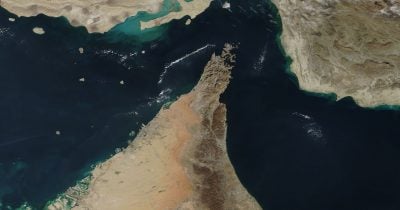
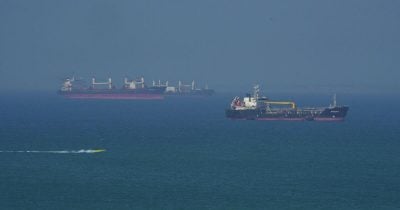
Oman signaled optimism about the ongoing negotiations over the Strait of Hormuz, but Iran cautioned that a deal might not lead to the waterway reopening. The divide leaves global shipping and oil markets guessing about the immediate future of one of the world's busiest chokepoints.
The State of the Talks
Omani officials expressed hope that the talks, which have been underway for some time, could ease tensions around the strait. The strait carries roughly a fifth of global oil consumption, and any disruption sends ripples through energy prices and insurance costs.
But Tehran's warning cuts through that optimism. Iranian representatives have made clear that even if negotiations succeed, reopening the strait is not a guaranteed outcome. That distinction matters. A deal could address other grievances without restoring the full flow of traffic.
What Iran's Warning Means
Iran's position suggests the strait remains a lever in broader regional negotiations. The country has previously threatened to close the waterway in response to sanctions or military pressure. Now, even in a diplomatic context, it's keeping that option on the table.
For shipping lines and commodity traders, that ambiguity is the problem. Insurance premiums on vessels transiting the Gulf have already climbed. Some carriers are routing around the Arabian Peninsula, adding days and costs to voyages. If the strait stays partially closed, those costs don't go away.
Global Shipping and Market Impact
The uncertainty hits more than just oil tankers. Liquefied natural gas from Qatar, refined fuels from the UAE, and container traffic between Asia and Europe all pass through Hormuz. Even a short disruption affects schedules and freight rates worldwide.
Market stability depends on predictability. With Iran's latest statement, predictability is in short supply. Traders are pricing in a risk premium on crude, and shipping indexes have been volatile. The longer the ambiguity lasts, the more that premium grows.
Geopolitical Stakes Beyond the Strait
The talks themselves are part of a larger pattern. Oman has often played mediator in the region, hosting back-channel discussions between Iran and Western powers. But the strait's fate is tied to nuclear negotiations, sanctions relief, and the security architecture of the Gulf.
Iran's warning may be a negotiating tactic, or it may reflect genuine internal divisions. Either way, the message is clear: don't assume a diplomatic breakthrough automatically means open water. The strait's status could remain a point of contention for months.
The next round of talks hasn't been scheduled, and no deadline has been announced. Until Tehran clarifies whether reopening is on the table, shipping companies and energy markets will have to plan for both outcomes — full access or continued restrictions.