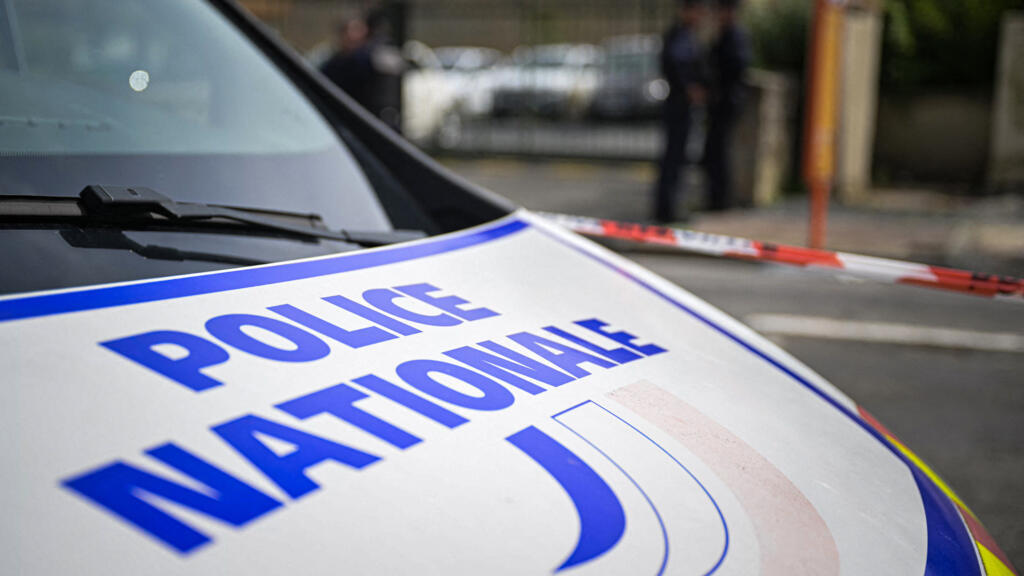
Pakistan has taken control of Khyber Pakhtunkhwa, the northwestern province governed by Imran Khan's PTI party. The move strips Khan's party of its last major institutional foothold and deepens a political crisis that's been building for months. The timing isn't great for a nation already wrestling with a fragile currency and a stalled IMF program.
The slow grind, not a sudden shock
This wasn't a bolt from the blue. The federal government has been squeezing Khyber Pakhtunkhwa for months — withholding funds, delaying appointments, and letting the province twist in the wind. PTI-backed candidates won a majority there in the February 2024 elections even with Khan behind bars. Since then, Islamabad has been steadily tightening the screws. The formal takeover is just the final step. For traders expecting a knee-jerk Bitcoin spike on the news, that matters. Markets had months to price this in. Any crypto reaction will likely be gradual, not a violent lurch.
📊 Market Data Snapshot
The mining angle most outlets miss
Khyber Pakhtunkhwa has been an unlikely hub for cheap Bitcoin mining. Lax oversight and subsidized electricity made it attractive for small operators. A federal takeover changes that calculus. Islamabad has signaled it wants tighter control over energy use and financial flows, which means higher costs and stricter rules for miners. Some will relocate to friendlier jurisdictions in Central Asia or North America. That reduces global hashrate, makes life easier for the miners who stay, and quietly reinforces Bitcoin's scarcity story. It's a slow-burn effect, not a headline grabber, but it's real.
Local crypto markets on edge
Pakistan's crypto scene isn't a monolith. It's retail P2P trading on Binance and local platforms, with BTC/PKR volumes often topping $50 million a day during political flare-ups. The State Bank of Pakistan has been drafting a regulatory framework that could either legitimize that market or crush it. The takeover may accelerate the SBP's plans to restrict P2P crypto to stop capital flight. If that happens, trading won't vanish — it'll go underground, pushing users toward decentralized exchanges and privacy coins. Bearish for local adoption, bullish for DEX volumes. Watch for SBP announcements in the coming weeks.
Remittances, hawala, and stablecoins
Khyber Pakhtunkhwa is the backbone of a $3 billion annual remittance corridor from the Gulf. Many families there rely on informal crypto channels because traditional banking is slow and expensive. Political instability disrupts those channels. When that happens, people don't stop sending money — they switch to stablecoins like USDT for cross-border payments. That's a real-world use case most crypto media ignores. It drives stablecoin demand in the region, benefits Tether and Circle, and attracts the kind of regulatory scrutiny that tends to follow. USDT/PKR volumes on local exchanges are worth watching as a leading indicator of capital flight.
The federal government hasn't said how it plans to administer the province or whether Khan's party will have any role going forward. The SBP's crypto framework is still unsigned. Until that changes, the market's next move — if there is one — will hinge on whether this takeover stays contained or spills into broader unrest.