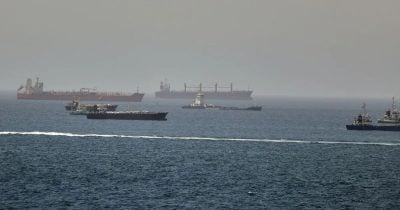
The Pentagon has publicly disclosed the location of one of its nuclear submarines as tensions with Iran escalate in the strategic Strait of Hormuz. The rare revelation marks a deliberate departure from the usual secrecy surrounding submarine movements. It comes at a time when the waterway, a key chokepoint for global oil shipments, sits at the center of U.S.-Iran friction.
A Rare Disclosure
Military officials confirmed the submarine's presence in the strait without offering specific coordinates or patrol details. Such disclosures are uncommon. Submarine operations are typically classified to protect tactical advantages. By making the location known, the Pentagon appears to have chosen transparency as a tool of signaling.
Heightened Tensions in the Strait
The Strait of Hormuz connects the Persian Gulf to the Gulf of Oman. Roughly 20% of the world's oil passes through it. Iran has periodically threatened to disrupt traffic there during standoffs with the United States. Recent weeks have seen an uptick in confrontations, including attempted seizures of commercial vessels by Iranian forces. The Pentagon's submarine revelation fits into that larger pattern of escalation.
A Message of Deterrence
Nuclear submarines carry long-range missiles and are among the most potent assets in the U.S. Navy. Announcing one's location strips away the element of surprise but also sends a blunt signal: the submarine is there, and it is ready. The move suggests the Pentagon wants Iran to know that any attempt to close the strait or attack shipping would face a immediate, overwhelming response. It's a high-stakes form of communication, one that relies on visibility rather than stealth.
Iran has not publicly responded to the disclosure. Its naval forces in the region are capable of deploying mines, fast attack boats, and anti-ship missiles. Analysts note that the strait remains narrow enough that both sides operate within close proximity, raising the risk of miscalculation.
The Pentagon has declined to say how long the submarine will remain in the area or whether additional vessels have been repositioned. The Strait of Hormuz remains open to commercial traffic, though insurance premiums for tankers have risen. The next move in this standoff is unclear.