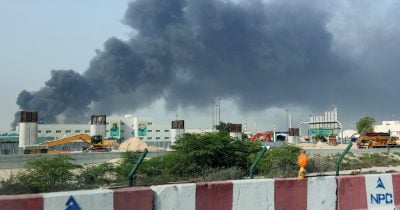
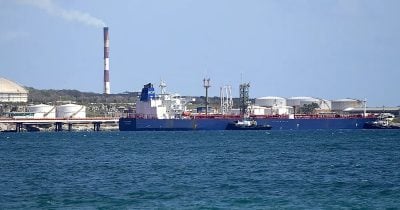
The odds of normal traffic flow through the Strait of Hormuz have dropped to 52.5% on the prediction market Polymarket, as an Iranian official reportedly warned of a 'full-scale offensive' if US strikes continue. The shift reflects growing fears of a wider conflict that could choke one of the world's most critical oil transit chokepoints.
Why the odds are falling
Polymarket's contract, which asks whether the strait will see 'normal' traffic through the end of the month, stood above 70% just days ago. Now it's at 52.5% — barely above a coin flip. The trigger appears to be a threat from an Iranian official, who said that a full-scale offensive would follow any further US strikes. That language, combined with the lack of any de-escalation signal, pushed traders to reassess.
Iran has long used the Strait of Hormuz as a lever. The narrow waterway connects Persian Gulf oil producers to global markets. About one-fifth of the world's petroleum passes through it daily. A disruption — even a temporary one — would send shockwaves through energy prices.
The risk to global shipping
For now, ships are still moving. But the 52.5% probability means the market thinks there's nearly a 50–50 chance that something goes wrong. That's not a bet most logistics firms would want to take. Tanker owners are already facing higher insurance premiums for Gulf voyages, and some may start rerouting around the Cape of Good Hope — a costly detour that adds weeks to trips.
The threat isn't just about oil. The Strait of Hormuz also handles significant volumes of liquefied natural gas, especially from Qatar. Any closure would hit Asian buyers hard. The US Navy's Fifth Fleet is based in Bahrain, just across the Gulf, and has been on alert. But a full-scale Iranian offensive would pose a challenge even for the most advanced naval forces.
What happens next
Polymarket's contract will settle based on actual traffic data, likely from tanker-tracking services. Traders are watching for any diplomatic moves — or further military action. The Iranian threat hasn't been matched by a public US response yet, but the White House is expected to brief allies in the coming days.
For now, the market is pricing in a 47.5% chance of abnormal traffic. That's a bet against normalcy. The next few hours could shift those odds quickly.