Betting on a US-Iran deal took a hit this week. On August 31, Polymarket odds of a deal dropped to 23.5%, following a stark warning from NYU professor Arang Keshavarzian that the post-ceasefire Middle East is entering a fragile, uncertain phase.
The warning that moved markets
Keshavarzian, a professor of political science at New York University, made his remarks on June 23, 2026. He pointed to deep divisions over the ceasefire framework and ongoing security risks around the Strait of Hormuz as key reasons the region remains unstable. The professor didn't predict a deal collapse, but he made clear that the road ahead is anything but smooth.
His comments came just weeks after the ceasefire took effect. Many observers had hoped the pause in fighting would open the door to a broader US-Iran agreement. Keshavarzian's assessment poured cold water on that optimism — and the betting market took notice.
Polymarket's reading of the room
Polymarket, a popular prediction platform, lets users bet real money on future events. The contract for a US-Iran deal had been hovering around 40% in early June. By late July, it had slipped to 30%. The drop to 23.5% on August 31 represents a steady erosion of confidence over two months.
The platform doesn't release user identities or trading volumes, so it's impossible to say who's selling or why. But the pattern is clear: bettors are increasingly skeptical that the two sides can bridge their differences.
Why Hormuz matters
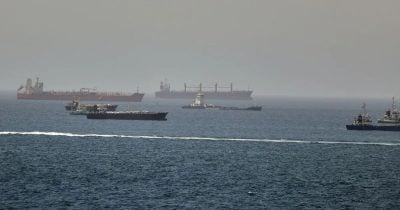
Keshavarzian specifically flagged security risks in the Strait of Hormuz, the narrow waterway that carries about a fifth of the world's oil. Any disruption there would send shockwaves through global energy markets. Post-ceasefire, the strait remains a flashpoint. Iran's navy has conducted drills in the area, and the US maintains a heavy presence. A deal would likely require both sides to agree on freedom of navigation — a tough sell when trust is low.
The professor also noted internal divisions among the parties to the ceasefire. Those rifts haven't healed. They may even deepen as each side tries to shape the next phase of negotiations.
What comes next
No new talks have been announced since the ceasefire. The betting market now suggests a less than one-in-four chance of a deal. Whether the odds recover or slide further depends on what happens in the weeks ahead — and whether anyone can turn Keshavarzian's warning into a roadmap for stability.