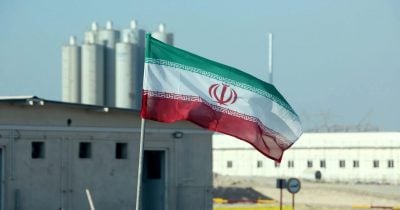
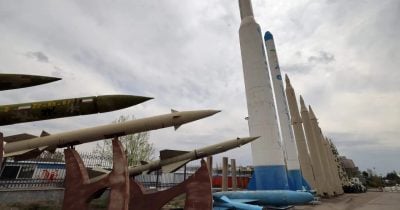
Prediction market Polymarket now puts the probability of a ceasefire between Israel and Iran holding through July 18 at 99.6%. The figure reflects a sharp consensus among traders that a formal truce will stick for at least the next few months. At the same time, Israel’s Foreign Ministry said it handled a record number of antisemitic incidents abroad over the past year — a reminder that diplomatic progress hasn’t curbed hostility toward Israelis and Jews worldwide.
What the Polymarket odds capture
Polymarket is a decentralized prediction platform where users bet real money on the outcome of events. The 99.6% number means the market sees almost no chance of a breakdown in the Israel-Iran ceasefire before July 18. That’s a strong signal, but prediction markets aren’t infallible. The contract’s specific cutoff date — July 18 — matters. A ceasefire could still collapse after that window, or the market could be mispricing tail risks. Still, the near-certain odds suggest traders believe both sides have enough incentive to keep the peace for now.
Record antisemitic incidents abroad
Separately, Israel’s Foreign Ministry reported that it handled a record number of antisemitic incidents overseas over the past year. The ministry didn’t release a precise figure, but the “record” label indicates a sharp increase from previous years. The incidents range from verbal harassment to physical attacks, and they occurred across multiple continents. The ministry’s consular division has been working with local authorities to track and respond to cases. The report comes amid a broader global rise in antisemitism that many Jewish organizations have documented since the October 7 attacks and the subsequent war in Gaza.
Two trends, one moment
The juxtaposition is striking. On one hand, the prediction market points to a stable ceasefire between Israel and Iran — a major regional flashpoint. On the other, the Foreign Ministry’s data shows that Israelis and Jews abroad face more hostility than ever. The two developments aren’t directly linked, but they both shape Israel’s security environment. A ceasefire with Iran could reduce the risk of a wider war, but it doesn’t address the surge in antisemitic violence that has forced the ministry to expand its crisis-response teams in several countries.
What comes next
The Polymarket contract will resolve on July 18. If the ceasefire holds until then, traders who bet on “yes” will collect. If it breaks earlier, the market will settle at zero. The Foreign Ministry, meanwhile, is expected to release a detailed breakdown of the antisemitic incidents in the coming weeks. That report will likely include country-by-country data and recommendations for how Israeli embassies can better protect their citizens abroad. For now, the two data points — a near-certain ceasefire and a record number of attacks — offer a mixed picture of Israel’s position in the world.