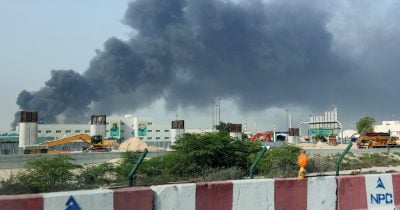
Polymarket bettors have sharply lowered the probability of a Chinese invasion of Taiwan this year, with odds falling to 3.95% as the world’s attention turns to a rapidly escalating conflict in the Middle East. The shift comes after a series of military strikes and infrastructure attacks across the region, including a reported US strike on bridges in Iran and a retaliatory hit by Tehran on a power and desalination plant in Kuwait.
What’s driving the odds down
Prediction markets, which track real-time sentiment on geopolitical events, often reflect sudden changes in perceived risk. The drop from prior levels — which had hovered around 5% or higher — suggests traders see a lower likelihood of a Taiwan-focused crisis while the Middle East absorbs diplomatic and military bandwidth. The pattern is not new: markets tend to price down one risk when another becomes acute.
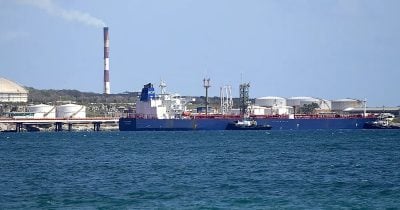
In this case, a spate of maritime incidents near the Strait of Hormuz and off the coast of Yemen added to the sense of a region in flames. A ceasefire that had briefly held in Yemen collapsed, prompting renewed naval skirmishes and warnings from shipping companies. The cumulative effect has been a repricing of where the next major flashpoint might be.
Strikes and counterstrikes
According to reports, the United States struck bridges inside Iran, a rare direct hit on Iranian infrastructure. The move drew a quick response from Tehran, which targeted a key power and desalination plant in Kuwait. The plant, critical for fresh water and electricity, was damaged, though casualty figures were not immediately available. The strikes mark a significant escalation in a conflict that had mostly been fought through proxies or limited naval exchanges.
Kuwaiti officials condemned the attack and called for an emergency meeting of Gulf states, but the broader diplomatic picture remains murky. The US has not formally confirmed the bridge strikes, but the reports align with statements from Iranian state media, which accused Washington of “crossing a red line”.
Maritime chaos after ceasefire collapse
Meanwhile, the collapse of the Yemen ceasefire unleashed a new wave of maritime incidents. Houthi-aligned forces, no longer bound by the truce, resumed attacks on commercial vessels near the Bab el-Mandeb strait. At least two ships reported being targeted by missile fire within 48 hours, prompting the US Navy to increase patrols. The combined effect of the Hormuz and Yemen disruptions has raised insurance premiums for tankers and container ships transiting the region.
Prediction markets that track oil prices or shipping disruptions have jumped, but the Taiwan invasion contract — one of the most closely watched geopolitical bets — has been trending down. The current 3.95% level implies a probability of roughly 1 in 25 that Chinese forces will attempt a landing or blockade by the end of the year.
What the odds don’t tell you
Prediction markets are not crystal balls. They aggregate the bets of thousands of traders, many of whom adjust positions based on news cycles. The sharp drop in Taiwan odds may partly reflect a liquidity shift — money moving out of that contract into Middle East-focused ones. It also could indicate that traders believe a two-front crisis is too much for any major power to handle at once, making a Taiwan move less likely while the US and its allies are stretched.
But the risk hasn’t vanished. The underlying tensions in the Taiwan Strait — Chinese military drills, US arms sales, and political rhetoric — remain unchanged. The next few weeks will show whether the odds stay low or bounce back if the Middle East situation stabilizes or if a new flashpoint emerges elsewhere.