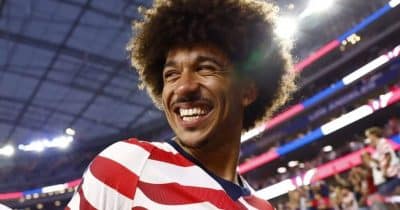
Paris Saint-Germain made an informal approach for midfielder Eduardo Camavinga, but the player's club turned it down flat. The rejection underscores the difficulties PSG faces when trying to pry talent away from established clubs — and it highlights something rarer in modern football: player loyalty and club stability.
What the Rejection Says About PSG's Transfer Strategy
PSG didn't put a formal offer on the table. They sounded out the possibility of signing Camavinga through back channels. It didn't work. The club that holds his registration didn't entertain the idea, and the player himself showed no interest in forcing a move. For PSG, that's a problem that keeps popping up. They've spent heavily over the years, landing stars like Neymar, Kylian Mbappé, and Lionel Messi, but the club's reputation among players at top-tier teams outside France hasn't always matched its financial muscle. Camavinga's situation is a fresh example.
Loyalty and Stability Beat Money — This Time
Camavinga is still young, but he's already established himself at a club known for winning and for keeping its core together. The fact that PSG's approach was rebuffed — and so quickly — suggests that money alone isn't enough to move players at that level. They want to be part of a stable project, one where they can win titles without constant upheaval. PSG has changed managers frequently and still hasn't lifted the Champions League. That uncertainty matters when a player's current club offers both success and continuity.
What Happens Next for PSG's Midfield Plans
PSG will likely look elsewhere. The club needs midfield reinforcements, especially if some of its current players leave in the next window. But the Camavinga rejection shows that landing a player of his caliber from a club with a strong pull will take more than a casual inquiry. PSG may have to go back with a formal bid, or accept that some targets are off-limits. For now, the approach is dead, and the message is clear: not every player can be tempted.