Qatar has called for a return to normal operations in the Strait of Hormuz, the critical waterway that connects the Persian Gulf to the open sea, as tensions between the United States and Iran continue to simmer. The call, made by the Qatari government, urges both sides to step back from the brink and allow shipping to proceed without disruption.
The call and its context
In a statement that did not name specific parties, Qatar expressed concern over the heightened military posture in and around the strait. The government said the priority is to preserve stability and avoid any incident that could ripple through global energy markets. It is a rare public position from a Gulf nation that hosts a major US military base but also maintains working ties with Tehran.
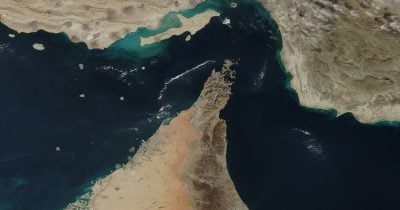
The plea comes as Washington and Tehran trade threats over nuclear talks, drone flights, and the presence of naval forces. The strait sees about a fifth of the world's oil shipments, and any closure would affect prices worldwide. Qatar itself exports huge volumes of liquefied natural gas through these waters, so the concern is direct.
Why the strait matters
The Strait of Hormuz is a narrow passage at its narrowest point, only about 21 miles wide. Tankers carrying crude and gas must squeeze through these lanes, and any mine, missile, or miscalculation could force a shutdown. That is why even a hint of disruption rattles traders and why Qatar's call is not merely diplomatic rhetoric.
For years, the strait has been a flashpoint. Iran has threatened to close it in response to sanctions, while the US navy patrols to keep it open. This time, the threat feels more concrete. Iranian speedboats have shadowed tankers, and American warships have been placed on alert. The normalcy Qatar wants is the quiet predictability that lets cargo move.
Qatar's balancing act
Qatar's position is delicate. It hosts the largest US military base in the region, which is used for operations in Afghanistan, Iraq, and Syria. Yet it also shares the world's largest natural gas field with Iran, giving it a commercial stake in keeping relations civil. That dual role puts Doha in a position to speak, but not necessarily to broker a deal.
The call for normalcy is a call for de-escalation. It is a direct message to both Washington and Tehran to cool off and think about consequences. The government has not offered a specific plan or a mediation proposal. It is simply asking for restraint and a return to the status quo that allowed trade to flow.
Analysts see this as a middle-power trying to protect its own interests without taking sides. For Qatar, a disruption in the strait would hurt its economy, its neighbors, and the global energy supply. The statement is a reminder that even a small country can use its voice when the stakes are high.
What could happen next
Whether Qatar's call will be heeded is unknown. The US and Iran have been here before, and past standoffs have ended without war. But the current tension is heavier, with new weapons and old grievances. No official response has been issued from Washington or Tehran, and the strait remains as busy as ever.
The coming weeks will tell if the call leads to a quiet channel of communication or if it is just another diplomatic note that gets swept away by events. For now, the world watches the waterway, hoping that normalcy wins.