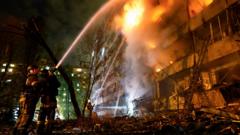
An explosion at Qatar's Ras Laffan gas facility has killed at least 13 people and injured 66 others, according to Qatari officials who described the blast as an accident. Authorities moved quickly to assure global markets that the country's liquefied natural gas exports will not be affected by the incident.
What happened at Ras Laffan
The explosion struck one of the world's largest natural gas processing sites, located about 80 kilometers north of Doha. Emergency crews responded to the scene, and the injured were taken to hospitals for treatment. Officials did not immediately disclose the cause of the blast but confirmed it was not the result of any deliberate act. Investigations are ongoing.
Exports unaffected, officials say
In a statement, Qatari authorities stressed that the country's gas export infrastructure remains operational. Ras Laffan is the heart of Qatar's LNG industry, handling the bulk of the nation's production. The assurance comes as global energy markets remain jittery over supply disruptions, particularly in the Middle East. Qatar is one of the world's top LNG exporters, and any prolonged outage could have ripple effects on prices.
Prediction market flags Strait of Hormuz risk
Separately, the prediction market Polymarket has assigned a 99% probability to a disruption involving 20 or more vessels in the Strait of Hormuz, a critical chokepoint for global oil and gas shipments. The Strait, which connects the Persian Gulf to the open ocean, sees about a fifth of the world's petroleum trade. While the Ras Laffan explosion is not directly tied to the Strait, the two developments underscore the fragility of energy infrastructure in the region.
Polymarket's odds reflect growing concern among traders and analysts about potential naval or military incidents in the waterway. The 99% figure suggests that the market considers a large-scale disruption almost certain, though the platform's predictions are based on user bets and not official intelligence. No specific trigger for the forecast was mentioned in the facts provided.
The Gulf has seen heightened geopolitical friction in recent months, with Iran and its proxies frequently threatening to close the Strait of Hormuz. Any disruption there could choke off oil and LNG shipments from Saudi Arabia, Iraq, Kuwait, the UAE, and Qatar itself. The Ras Laffan explosion, while accidental, adds to a sense of vulnerability for energy producers in the region.
For now, Qatar's gas flows continue. But the combination of a deadly accident at a key facility and a prediction market signaling high odds of a maritime crisis leaves the energy sector watching closely.
The investigation into the Ras Laffan blast is expected to take weeks. Meanwhile, the Strait of Hormuz remains a flashpoint, with no clear resolution in sight.