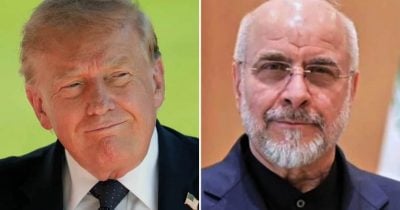
Qatar brokered an agreement between the United States and Iran after weeks of closed-door negotiations. The deal, announced Wednesday, may reshape geopolitical dynamics in the Middle East and ripple into global energy markets — with potential knock-on effects for crypto economies that track oil and gas flows.
How the deal came together
Qatari diplomats shuttled between Washington and Tehran for weeks, according to people familiar with the process. Neither side has released full terms, but both capitals confirmed the framework covers nuclear limits and regional security guarantees. The timing isn't accidental: Gulf states have been pushing for de-escalation as energy prices stay volatile and crypto mining — heavily dependent on cheap energy — expands across the region.
The agreement could ease sanctions on Iranian oil exports, potentially adding supply to a tight global market. Cheaper energy would lower costs for Bitcoin miners, especially those operating in the Gulf. But the bigger story might be strategic: if the US-Iran thaw holds, it could unlock new corridors for cross-border payments and stablecoin adoption in a region long cut off from the dollar system. Crypto-friendly jurisdictions like the UAE and Qatar itself stand to benefit.
Implementation talks are set to begin in Geneva next month. The biggest open question is whether Iran's central bank will use the window to push for clearer rules on crypto settlements — something it's hinted at for years. For now, markets are watching oil futures and any sign of a broader realignment.