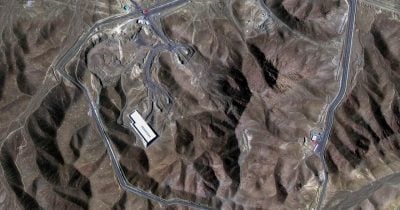
Senator Rand Paul visited Fort Knox on August 10, 2026, and confirmed the gold is there. The Kentucky Republican's trip, the first by a lawmaker since 1974, comes after years of conspiracy theories that the vault had been emptied. Paul's confirmation settles the basic question, but the gold's book value remains frozen at $42.22 an ounce.
What Paul found
The US Mint lists 147,341,858 ounces of gold at Fort Knox. Paul confirmed the metal is present, roughly 147 million ounces. On the books, that gold is valued at $42.22 per ounce, a price set in 1973. That puts its official worth at $6.2 billion. At current market prices, around $4,372 an ounce, the same gold is worth about $644 billion.
The gap between the two numbers is stark. The Treasury has not updated the valuation in more than five decades, even as the metal's market price has climbed. Paul's visit did not address that discrepancy, but it did put a senator's eyes on the vault for the first time in 52 years.
Why the mystery persisted
The Fort Knox conspiracy was revived in February 2025 when Elon Musk questioned whether the gold was still there. President Trump later suggested he and Musk might visit. Treasury Secretary Scott Bessent said the gold was accounted for, but he had not personally seen it. His staff had, including the US Treasurer.
Outsiders have been allowed inside the vault roughly twice since 1937. In 1974, journalists and lawmakers toured it. In 2017, Treasury Secretary Steven Mnuchin visited. Paul's trip marks the third time an outsider has been granted access, and the first time a lawmaker has done so since the 1974 tour.
The secrecy around the vault fed the speculation. Bessent's admission that he hadn't visited didn't help. Paul's confirmation is the most direct evidence yet that the gold is where it's supposed to be.
The dollar's slide
Paul has also used the visit to highlight a broader point about the dollar. The currency has lost 97% of its purchasing power since the Federal Reserve opened in 1913, and 85% since 1971, when President Nixon cut the gold tie. Paul claims the Fed absorbs a third of Washington's $2 trillion annual deficits.
Those numbers aren't new, but they put the Fort Knox gold in context. The vault holds a massive store of value, but its official price hasn't moved in 53 years. The dollar's erosion makes that frozen valuation look even more outdated.
Paul's visit doesn't change the bookkeeping. The gold is still listed at $42.22 an ounce, and the Treasury hasn't signaled any plan to revalue it. Whether the government will ever update that number is an open question. For now, the gold is there, and a senator has seen it.