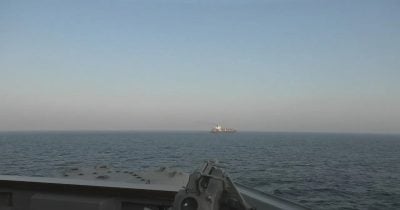
Commercial tankers are still moving through the Red Sea despite a Houthi blockade that has disrupted shipping in the region for months. The continued transit comes as a prediction market gives a 23% probability that the Bab el-Mandeb Strait — the strategic chokepoint at the southern end of the Red Sea — will be closed entirely by September 30.
A blockade that hasn't stopped the ships
The Houthi movement, which controls large parts of Yemen, has been targeting vessels in the Red Sea since late 2023, claiming solidarity with Palestinians in Gaza. Attacks have forced some shipping lines to reroute around the Cape of Good Hope, adding weeks to voyages and millions in fuel costs. Yet tankers — carrying crude, refined products, and liquefied natural gas — continue to navigate the waterway, albeit with heightened security and insurance premiums.
Industry data shows that while container ship traffic has fallen sharply, tanker transits have held relatively steady. The reason is geography: for many energy shipments from the Middle East to Europe and North America, the Red Sea route remains the fastest. Taking the long way around Africa can erase a voyage's profit margin entirely.
What the prediction market says
Polymarket, a decentralized prediction platform, currently pegs the odds of a full closure of the Bab el-Mandeb Strait before October 1 at 23%. That's up from single digits earlier this year, but still well below even money. The market aggregates bets from thousands of users, each wagering on binary outcomes. It's not a scientific forecast, but it reflects where informed speculation sits right now.
A closure would mean no vessel — military or civilian — could pass through the 20-mile-wide strait between Yemen and Djibouti. The Houthis have demonstrated they can strike ships with drones and missiles, but a full blockade would require a sustained naval effort and the willingness to escalate against international warships patrolling the area.
Why the strait matters
The Bab el-Mandeb Strait connects the Red Sea to the Gulf of Aden and, ultimately, the Indian Ocean. Roughly 10% of global seaborne oil passes through it, along with significant volumes of LNG and containerized goods. If it were to close, tankers would have to take the Cape route, adding about 3,500 nautical miles to a typical voyage from Saudi Arabia to Europe.
That would tighten global oil supplies, push up freight rates, and likely raise fuel prices for consumers. The U.S. and allied navies have been escorting commercial vessels, but they haven't been able to stop all attacks. The Houthis have vowed to continue operations until the war in Gaza ends.
The 23% figure on Polymarket suggests traders see a real but not dominant risk. For now, tanker captains and their insurers are gambling that the strait stays open. If the odds keep climbing, that calculus could shift quickly.