Russia has moved nuclear warheads into Belarus, a deployment that NATO officials say heightens security risks across Eastern Europe. The transfer, confirmed by both Moscow and Minsk, marks a significant escalation in the ongoing confrontation between Russia and the Western alliance.
Details of the Transfer
Moscow announced the delivery as part of a broader military cooperation agreement with Belarus. Russian officials described the move as a defensive step, while Belarusian authorities said the warheads would be stored at facilities built during the Soviet era. The exact number of warheads and their specific locations have not been disclosed. Analysts tracking the buildup note that this is the first time Russia has stationed nuclear weapons outside its borders since the end of the Cold War.
Belarus shares borders with three NATO members—Poland, Lithuania, and Latvia. That geographic reality puts the warheads within striking distance of alliance territory. The deployment also gives Russia a forward base for its nuclear-capable missiles, shortening response times and complicating NATO's defense planning.
NATO's Reaction
NATO officials have voiced alarm, arguing that the deployment undermines regional stability. The alliance issued a statement calling the transfer a dangerous and irresponsible act. Member states are now reviewing their own nuclear posture and considering whether to adjust troop rotations or increase surveillance along the eastern flank. Some European capitals have privately urged caution, worried that a harsh response could further inflame tensions.
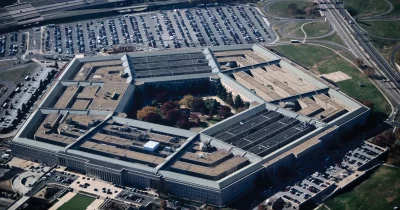
The United States has not announced any specific countermeasures yet, but Pentagon officials said they are monitoring the situation closely. Washington has long maintained a nuclear deterrent in Europe through its own forward-deployed weapons, but the Russian move shifts the strategic balance in a way that could force a broader reassessment.
Broader Security Implications
The warhead transfer comes amid a prolonged war in Ukraine and repeated threats from Moscow about using nuclear weapons. Belarus has served as a staging ground for Russian forces during the conflict, and the new deployment tightens that connection. For countries on NATO's eastern edge, the warheads are a tangible sign that the alliance's deterrence guarantees may soon face a new test.
Non-nuclear states in the region are also watching. Finland, which joined NATO last year, and Sweden, set to follow soon, now share a longer border with Russia and its allies. The presence of nuclear weapons in Belarus adds pressure on those countries to accelerate their own defense integration with the alliance.
For ordinary Belarusians, the deal brings little immediate change. But critics of President Alexander Lukashenko's government warn that hosting Russian nuclear arms could turn the country into a target in any future conflict.
What Happens Next
NATO is expected to discuss the deployment at its next ministerial meeting, though no date has been set. Some members have called for new sanctions on Belarus or a larger allied military presence in the region. Russia has signaled it may station more nuclear-capable aircraft in Belarus as well, deepening the standoff. What form a NATO response might take has not been announced, but the alliance has already reinforced its eastern presence in recent months. The warheads are in Belarus now, and the clock is ticking on how the West chooses to react.