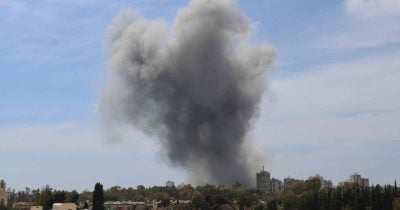
Colombians go to the polls Sunday in an election where security has emerged as the defining issue. Escalating killings, kidnappings, and the expansion of armed groups have pushed violence to the top of voters' concerns, forcing candidates to stake out starkly different positions on how to address the crisis.
The Security Crisis Driving Voters
In recent months, Colombia has seen a sharp rise in homicides, forced displacement, and extortion by armed groups operating in rural and urban areas. The trend has reshaped the campaign, overshadowing economic or social policy debates. Many voters say they want a leader who can restore order, but they're split on whether that means negotiating with armed groups or hitting them with a full-scale crackdown.
Two Paths: Peace Talks vs. a Hard Line
The major candidates have laid out opposing visions. One camp argues that only sustained peace negotiations — building on earlier accords — can reduce violence long-term. The other insists the government must deploy more police and military force to dismantle armed groups and reassert state control. Neither side has offered detailed plans for financing or implementing their approach, but the contrast has become the central fault line of the race.
What's at Stake on Election Day
Sunday's vote will decide not just the next president but the direction of Colombia's security policy for years. A win for the pro-negotiation candidate could revive stalled talks and attempt to integrate armed groups into political processes. A victory for the hard-line candidate would likely mean a surge in security operations and a tougher stance on crime. The outcome will also test whether Colombia's democratic institutions can hold amid rising public frustration with violence.
Polls open across the country early Sunday morning. Results are expected within hours of closing, though a runoff in June is possible if no candidate clears the threshold.