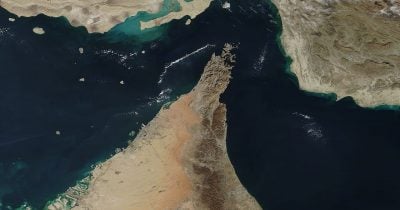
The head of one of the world's largest shipping lines warned Tuesday that vessel operators will not return to the Strait of Hormuz for weeks — possibly a month — even after a reported US-Iran agreement to reopen the waterway. Mitsui OSK Lines (MOL) CEO Jotaro Tamura said any deal must prove “material” before crews feel safe crossing. The comments cast doubt on how quickly the vital oil and gas artery can return to normal after months of conflict.
Why shipowners are holding back
Tamura pointed to repeated false starts since the war began. “We have seen promises broken before,” he said in remarks reported by Japanese media. “We need to see something material — actual implementation — before we send our vessels.” Before the conflict, about 150 ships transited the strait daily. Between June 10 and 14, MarineTraffic recorded just 29 crossings. MOL, which operates more than 900 ships, moved four vessels out of the Gulf before the agreement and paid no fees to Iran. At least seven of its ships are still waiting to transit.
A trickle of traffic resumes
Despite the caution, some movement has restarted. The India-flagged LNG tanker Disha became the first Indian ship to clear the strait after the pact, carrying 62,370 tonnes of gas. Officials said 10 Indian-flagged and five foreign-flagged vessels have now crossed since the deal. The agreement is expected to be signed Friday in Geneva. But Tamura’s timeline suggests the strait will not see a return to normal traffic volumes for weeks.
What’s at stake
The Strait of Hormuz carried more than a fifth of global oil and liquefied natural gas before the conflict erupted in late February. Every day of restricted flow pushes up energy costs and complicates supply chains already strained by war. MOL’s hesitation reflects a broader industry wariness: insurers are still charging high-risk premiums, and many charterers are reluctant to book Gulf passages until they see a sustained calm.
Next steps
All eyes are on Friday’s signing in Geneva. If the deal holds and both sides begin implementing security measures, Tamura said MOL could reassess within two to three weeks. Until then, the world’s shipping lines will wait — watching from outside the strait.