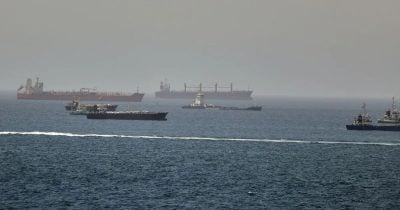
Nearly 20,000 seafarers are stranded at sea as negotiations between the United States and Iran over the closure of the Strait of Hormuz have stalled, according to reports. The breakdown in talks has not only trapped crews but also heightened regional instability and disrupted global trade routes.
How the Stalemate Grew
The Strait of Hormuz, a narrow waterway connecting the Persian Gulf to the open ocean, handles roughly a fifth of the world's oil shipments. For weeks, the US and Iran have been locked in talks meant to ease tensions and reopen the strait after Iran's de facto blockade. But those talks hit a dead end this week, with neither side willing to budge on core demands. The result: a standoff that leaves ships queued at sea, unable to pass.
The Human Toll at Sea
For the 20,000 seafarers stuck on vessels anchored near the strait, conditions are deteriorating. Many ran out of fresh food and water days ago. Crews report that basic supplies are now being rationed. Some ships have been drifting for weeks, their engines running low on fuel. The international maritime community has issued warnings about the growing humanitarian risk, but with no diplomatic breakthrough, no one can say when the crews will be allowed to leave.
Broader Economic Ripple Effects
The stalled talks are sending shockwaves through global supply chains. Oil tankers sit idle, driving up freight rates. Cargo ships bound for ports in Asia and Europe are taking costly detours around Africa. Insurers have raised premiums for vessels transiting the region. The disruption comes at a time when many economies are already struggling with inflation and energy shortages. Analysts say the longer the strait remains effectively closed, the heavier the toll on world trade will be.
Unanswered Questions on Next Steps
Neither the White House nor Iran's foreign ministry has signaled when talks might resume. For the stranded seafarers, each day brings more uncertainty. The International Transport Workers' Federation has called for an immediate humanitarian corridor, but with no diplomatic framework in place, that request remains unanswered. What happens next hinges on whether the two sides can find a way back to the table — and soon.