The closure of the Strait of Hormuz is forcing shipping companies to redirect vessels, and that shift is piling pressure on African ports already straining against capacity limits. The situation exposes long-standing infrastructure gaps across the continent and threatens to upend global trade flows that rely on the narrow waterway.
Why the rerouting matters
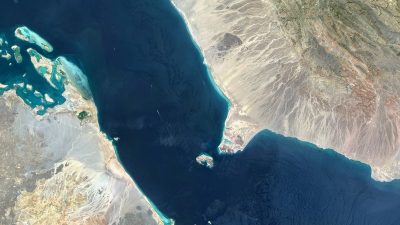
The Strait of Hormuz is a critical chokepoint for oil, liquefied natural gas, and containerized goods moving between the Persian Gulf and the rest of the world. With the strait shut, ships must take longer routes around Africa's southern tip or through the Suez Canal — options that add days or weeks to transit times and drive up fuel costs. For African ports, that means a sudden spike in unscheduled calls and cargo volumes they weren't built to handle.
The strain on African ports
Ports from Djibouti to Durban are reporting congestion as diverted vessels queue for berths. Many of these facilities lack the deep-water drafts, modern cranes, and automation that could speed turnaround. Truck queues spill onto coastal highways, and customs clearance backs up. The extra traffic is testing infrastructure that has long needed upgrades but received little investment. In some ports, waiting times have doubled, and shippers are being charged demurrage fees for delays beyond their control.
Infrastructure challenges laid bare
The rerouting highlights a problem African governments have acknowledged for years: ports and the roads, rails, and warehouses that connect them are insufficient for growing trade volumes. Even before this crisis, the African Development Bank estimated the continent loses billions of dollars annually to logistics inefficiencies. Now, with ships diverted to alternative routes, the cracks are impossible to ignore. Power outages, lack of cold storage, and bureaucratic red tape compound the physical constraints.
Global trade ripple effects
The immediate impact is higher shipping costs and longer delivery times for goods ranging from crude oil to electronics. Manufacturers and retailers that rely on just-in-time inventory face disruptions. Insurance premiums on cargo transiting via alternative routes have risen. The rerouting is also shifting trade patterns: some exporters are seeking alternate markets, while importers scramble to find new suppliers. The full effect on global supply chains will take weeks to measure, but early signs point to a sustained period of uncertainty.
The situation is fluid. It's unclear how long the closure will last or whether African ports can absorb the diverted traffic without major breakdowns in service. What is clear is that the crisis has turned a spotlight on the continent's infrastructure deficit — and on the urgent need to close it.