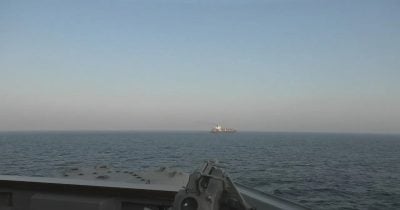
Traffic through the Strait of Hormuz fell 60% during the recent escalation of US-Iran tensions, according to shipping data. The narrow waterway, a critical chokepoint for about a fifth of the world's oil, saw a dramatic drop in vessel crossings as military posturing raised fears of disruption. By September 30, however, the situation was showing signs of normalizing, with prediction markets assigning a 21.5% probability that traffic would return to pre-crisis levels.
Why Crossings Plunged
The drop came after a series of incidents in the Persian Gulf. Iran seized tankers, the US deployed additional naval assets, and both sides signaled readiness for confrontation. Shipping companies rerouted vessels or delayed voyages, avoiding the strait altogether. The 60% decline reflects the most severe disruption in the waterway since the Iran-Iraq war in the 1980s, though data from that period is not directly comparable.
Insurance premiums for ships transiting the region spiked, and some charterers simply refused to send crews into the danger zone. The result was a sudden shortage of tankers available to carry crude from OPEC's biggest producers — Saudi Arabia, Iraq, Kuwait, and the UAE — all of which rely on the strait for exports.
Prediction Markets Signal a Turn
By late September, the immediate crisis appeared to have eased. Prediction markets — platforms where traders bet on real-world outcomes — put the chance of traffic normalizing at 21.5% as of September 30. That figure, while still low, marked a recovery from near-zero odds during the peak of the tensions. The markets factor in diplomatic signals, naval movements, and statements from Tehran and Washington.
The 21.5% probability suggests traders see a real but uncertain path back to normal operations. It's not a guarantee — 78.5% of the probability mass remains on continued disruption or partial recovery. But it's a notable shift from the panic that gripped the region just weeks earlier.
Oil Markets on Edge
Oil prices jumped during the height of the crisis, with Brent crude briefly topping $80 a barrel. The Strait of Hormuz handles roughly 20 million barrels per day — about 21% of global petroleum consumption. Any sustained blockage would send prices soaring and strain economies from Asia to Europe.
Even with the tentative normalization, traders remain cautious. The 21.5% probability is far from a all-clear signal. The underlying tensions between the US and Iran haven't been resolved; they've just moved from a hot phase to a simmer. The next flashpoint could come without warning.
For now, shipping traffic is slowly returning. Tanker tracking data shows a modest uptick in vessels entering the Gulf. But the 60% drop from the peak will take time to reverse. The question that remains: will the 21.5% probability hold, or will the next incident push it back to zero? The markets are watching.