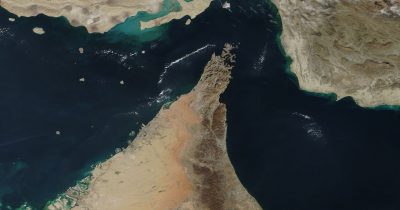
Shipping through the Strait of Hormuz has fallen to a trickle. Only five vessels are now transiting the critical waterway, a dramatic drop that follows a series of tanker attacks in the region. The collapse underscores heightened geopolitical tensions that could destabilize global energy markets and trade.
A Waterway Gone Quiet
The numbers are stark: just five ships moved through the strait in the latest count. That's a fraction of what normally passes through one of the world's busiest oil chokepoints. The decline comes after repeated attacks on tankers, which have made shipping companies wary of sending crews and cargo into the area.
Insurers have reportedly raised premiums, and some operators have rerouted vessels around the Arabian Peninsula. But the strait isn't easily avoided. It's the only sea route for most of the region's oil exports, and there's no practical alternative for the millions of barrels that move through daily.
What's at Stake
The strait sits between the Persian Gulf and the Gulf of Oman, and its narrow shipping lanes carry a huge share of the world's crude and liquefied natural gas. When traffic slows to near zero, the effects ripple outward. Oil prices have already shown signs of jitteriness, and longer-term supply contracts are being renegotiated under the shadow of disruption.
For global trade, the implications are serious. A prolonged shutdown would force buyers to look elsewhere for energy, but spare capacity is limited. Tanker owners face a dilemma: risk the voyage or lose the revenue. So far, the risk is winning.
No Clear End in Sight
The attacks that triggered the collapse have not stopped, and there's no sign of a diplomatic breakthrough. The strait's shipping lanes are likely to stay quiet until the security situation changes. That could mean weeks or months of reduced traffic, depending on how events unfold.
For now, the five vessels still making the transit are a reminder of how fragile the region's balance has become. Whether traffic can return to previous levels is an open question, and one that energy markets are watching closely.