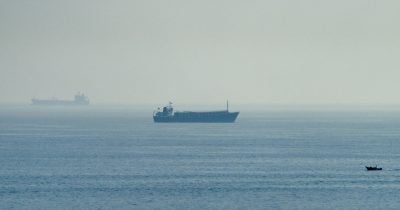
Oman is scrambling to contain a potential oil spill after a tanker ran aground near the Hallaniyat Islands, a remote cluster off the country's southeastern coast. The incident has put a spotlight on how a single maritime accident can disrupt regional operations and may force a rethink of shipping routes in the area.
A remote location complicates the response
The Hallaniyat Islands sit far from major ports, which makes any emergency response a logistical challenge. Crews have to travel long distances to reach the stranded vessel, and rough seas in the Arabian Sea can delay containment efforts. Omani authorities have mobilised equipment and personnel, but the clock is ticking as the tanker's hull remains breached, threatening to release oil into sensitive waters.
The exact condition of the vessel is unclear. What is known is that the longer the ship sits, the higher the risk of a significant spill. That would not only be an environmental disaster but also a direct hit on the fishing and tourism economies that depend on clean coastal waters.
A warning for regional shipping lanes
The incident is a stark reminder that the waters off Oman are a critical artery for global trade. Tankers carrying crude oil and liquefied gas pass through these routes daily, and a single mishap can ripple through supply chains. The grounding has already raised questions among maritime operators about the safety of the current traffic patterns.
If the spill escalates, shipping companies may be forced to reroute vessels, adding days to voyages and pushing up costs. Insurers could also hike premiums for ships traversing this corridor, making the region less attractive for transit. Regulators might respond by tightening navigation rules or designating alternative lanes, but those changes would take time and consultation.
Environmental stakes and a long cleanup
An oil spill here would not stay contained. Strong currents could spread the slick toward the Omani coast and beyond, affecting mangroves, coral reefs, and nesting grounds for sea turtles. Cleaning up a remote spill is notoriously difficult, and the damage can persist for years.
Omani officials have not disclosed the type or volume of fuel aboard the stranded tanker, but the threat is real. The country has dealt with oil spills before, but each incident has its own set of challenges. The immediate priority is to stabilise the vessel and extract any cargo before a rupture occurs.
What happens next
The response is still in its early stages, and there is no official timeline for when the tanker might be refloated or its cargo safely transferred. The coming days will determine whether the threat becomes a full-blown spill or is averted. In the meantime, the incident has already served as a cautionary tale for the maritime industry, which now has another data point to weigh when planning future routes through the Arabian Sea.