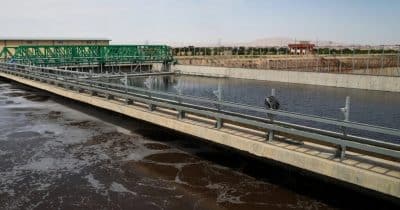
About 20,000 residents in Iran's southern Hormozgan province have lost access to drinking water after a series of strikes destroyed local water reservoirs. The strikes hit the storage infrastructure, leaving entire communities without a reliable source of potable water. Officials have not yet confirmed who carried out the attacks or when repairs might begin.
The Scope of the Damage
Hormozgan is a coastal province along the Persian Gulf, home to around 1.8 million people. The destroyed reservoirs served a cluster of rural villages and small towns, cutting off water supply to an estimated 20,000 individuals. Without the reservoirs, residents have no immediate way to get clean water for drinking, cooking, or sanitation. The provincial water authority has not released specifics on which exact reservoirs were hit or the full extent of the structural damage.
Immediate Humanitarian Concerns
Losing access to drinking water in an arid region like Hormozgan creates a fast-moving crisis. Temperatures often exceed 40°C (104°F) in summer, and the province already struggles with water scarcity. Without a backup supply, people are forced to find alternative sources — trucked-in water, untreated wells, or stored rainwater — all of which carry health risks. Diarrheal diseases and other waterborne illnesses become a real threat when clean water isn't available. International aid groups have not yet reported any response on the ground, and the Iranian Red Crescent has not issued a public statement.
Uncertain Restoration Timeline
No official timeline has been given for repairing or replacing the destroyed reservoirs. In similar past incidents in Iran, restoring water infrastructure has taken weeks or even months, depending on the availability of materials and security conditions. Authorities have not announced any emergency water distribution plans for the affected population. For now, the 20,000 residents of Hormozgan face an open-ended wait — with no clear answer on when their taps will run again.