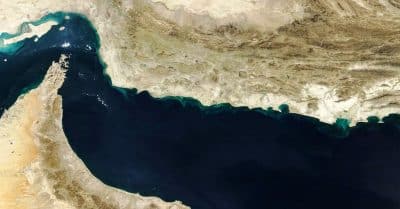
Strikes targeted US ships in the Strait of Hormuz on Wednesday, escalating an already tense standoff between Washington and Tehran. The incident, which occurred as the Iran war crisis deepens, marks the first direct military action on US vessels in the strategic waterway in years.
What happened in the Strait
Multiple US Navy vessels came under attack while transiting the narrow passage that connects the Persian Gulf to the open ocean. The exact nature of the strikes — whether missiles, drones, or naval mines — has not been disclosed. But the fact that they hit American hulls in one of the world's most vital chokepoints has sent shockwaves through the region.
Iranian forces have long warned they could close the Strait if faced with military action. The strikes suggest that threat is no longer theoretical.
Global energy trade at risk
The Strait of Hormuz handles roughly a fifth of the world's oil supply. Any sustained disruption there would send crude prices soaring, hitting economies from Asia to Europe. Tanker traffic has already slowed, with insurers raising premiums for vessels entering the Gulf.
Military analysts say the attacks could be a prelude to a broader blockade, though no official confirmation has come from either side. For now, the US Navy is advising all commercial shipping to stay clear of the area.
Diplomatic efforts in jeopardy
The strikes come at a delicate moment. US and Iranian diplomats had been holding indirect talks through intermediaries, exploring ways to reduce hostilities. Wednesday's attack throws those efforts into doubt. Neither Washington nor Tehran has issued a formal statement, but backchannel communications are reportedly active.
The question now is how the two sides will manage the fallout without derailing what little diplomatic engagement exists. The next hours and days will determine whether the Strait of Hormuz becomes a flashpoint for a wider war or a trigger for renewed negotiation.