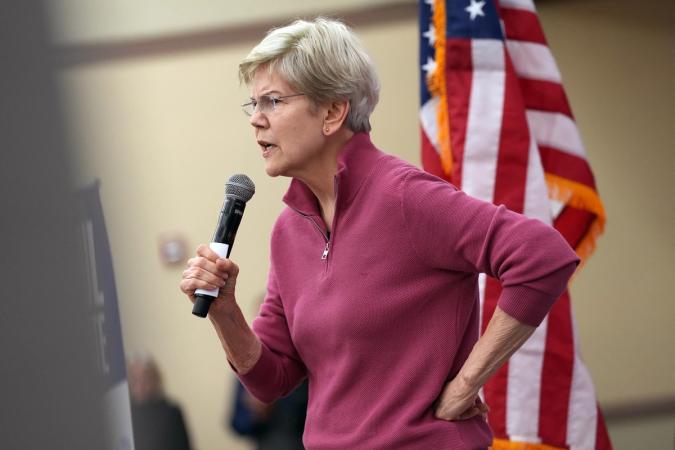
Susan Collins is running for reelection to the U.S. Senate in Maine, and the race is shaping up as one of the tougher fights of her career. The contest is being watched closely as a test of whether traditionally Republican-leaning parts of the state are starting to move away from the GOP — and whether Collins can hold them.
Collins, a Republican, has long relied on a coalition that includes moderate voters and independents alongside her party base. This cycle, that coalition is under strain, and her reelection bid is being framed as an early signal of broader electoral shifts in areas that once leaned reliably Republican.
Why Maine is drawing national attention
Maine is one of the few states that splits its electoral votes and has a long tradition of ticket-splitting. Collins has won there before by running ahead of her party's national brand. But the political ground has been shifting, and her current race is being read by both parties as a bellwether for how suburban and exurban voters are behaving. The outcome won't just decide a Senate seat — it'll offer a clue about which way those voters are leaning heading into the next cycle.
The race is also unfolding against a national backdrop that has made incumbency less comfortable. Collins is among the Senate Republicans facing genuine competition this cycle, and her campaign's performance in Maine is being compared to how other Republicans are faring in similar districts and states.
What the Collins campaign is up against
Collins doesn't enter the race as a newcomer — she's a known quantity in Maine, with a long record and a reputation for independence that has helped her in past cycles. But the electorate she's facing now looks different from the one that first sent her to Washington. The question her campaign has to answer is whether that independence still resonates with enough voters to overcome a national environment that's less friendly to her party.
Her opponents are working to tie her to the broader Republican agenda, while her campaign is expected to lean on her seniority and her record of breaking with party leadership on specific votes. Neither argument is new, but the margins in Maine have narrowed enough in recent cycles that even small shifts in the coalition could matter.
The Republican areas that are changing
The story here isn't just about Collins. It's about the places she needs to win. Traditionally Republican areas of Maine — the kinds of communities that once delivered comfortable margins for GOP candidates up and down the ballot — are showing signs of change. That shift is central to why her reelection is being described as a struggle rather than a formality.
If those areas keep moving, Collins will have to make up the difference elsewhere, likely among independents and moderate voters who've supported her before. That's a harder math problem than the one she faced in earlier races, and it's why her campaign is being watched as a leading indicator.
What happens next
Collins and her campaign will spend the coming months trying to reassemble the coalition that has carried her through past elections. The race will be decided by whether that coalition still exists in the form she needs — and whether the shifting dynamics in Maine's Republican-leaning areas turn out to be a local story or a preview of something larger. For now, her seat is rated as competitive, and both parties are treating the state as a priority.