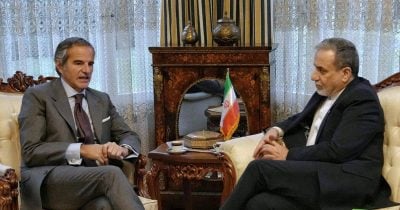
Negotiators have reached a tentative deal to end the Iran war, a breakthrough that would reopen the strategic Strait of Hormuz and ease a conflict that has disrupted global shipping and energy markets. The agreement, still awaiting formal ratification, raises immediate hopes for thousands of seafarers stranded aboard vessels caught in the crossfire.
What the deal covers
The accord outlines a framework to halt hostilities and restore freedom of navigation through the Strait of Hormuz, a narrow waterway that carries roughly a fifth of the world’s oil. Both sides have agreed to pull back military forces from the area, though the timeline for full implementation remains under wraps. The reopening is expected to reduce military tensions that have escalated dangerously since the conflict erupted.
Hope for stranded seafarers
For seafarers trapped on ships unable to leave the war zone, the deal offers a potential escape. Many have been stuck for months, with dwindling supplies and no way to reach safety. Under the terms being discussed, a humanitarian corridor would allow vessels to dock at designated ports and exchange crew members. Conditions that have grown dire—limited food, water, and medical care—could improve quickly once the corridor opens. Shipping companies have been pressing for such a measure, and the agreement appears to include mechanisms for safe passage.
Oil market impact
The timing of the deal could stabilize oil markets that have swung wildly on fears of supply cuts. The Strait of Hormuz closure had already pushed prices higher, with traders bracing for prolonged disruption. If the strait reopens as planned, analysts expect prices to ease, though volatility may persist until the deal is fully enacted. The agreement also signals a potential reduction in broader regional tensions, which could further calm investor nerves.
Unresolved questions remain: when exactly the strait will be fully operational, how the humanitarian corridor will be policed, and whether both sides will stick to the terms. The next steps involve formal signing by the warring parties and a phased withdrawal of naval assets. For now, the framework provides the most concrete path to peace since the conflict began, but the real test comes in the implementation.