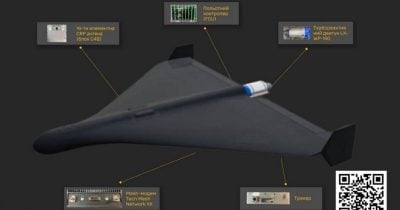
Three crude-oil tankers were attacked by drones off Turkey's Black Sea coast, marking a sharp escalation in maritime tensions in the region. The strikes are part of Ukraine's drone strategy to disrupt Russian oil exports, and they're already sending ripples through global energy markets and driving up insurance costs for ships operating in the area.
Coordinated Drone Attack on Tankers
The attacks hit three vessels in quick succession, though details on the exact location and timing remain scarce. What's clear is the drones targeted tankers carrying crude oil, a key revenue source for Russia. Ukraine has increasingly used drone strikes to undermine Russia's energy infrastructure, and this latest move extends that campaign into international waters.
The Black Sea has long been a flashpoint in the war, with both sides wary of escalating naval conflict. But hitting commercial oil tankers raises the stakes. It's not just a military mission—it's a direct challenge to the global oil trade.
Impact on Global Energy Markets
The disruption to Russian oil exports is immediate. Tanker traffic in the Black Sea is already slowing, with some vessels rerouting or anchoring until the security situation stabilizes. That means less crude reaching refineries, which could push up prices in an already tight market.
Traders are watching closely. Even a temporary reduction in supply can cause price swings, and the uncertainty around further attacks makes it hard to plan. Energy markets hate unpredictability, and the Black Sea just became a lot more unpredictable.
Rising Insurance Premiums
For shipping companies, the attacks mean higher costs. Insurance premiums for vessels transiting the Black Sea are expected to spike as underwriters reassess risk. Some insurers may refuse coverage altogether for ships heading to Russian ports or near conflict zones.
That's a problem for any company moving oil through the region. Higher premiums eat into profits, and if insurance becomes unavailable, some operators may simply stop sailing. The ripple effect could hit everything from fuel prices to cargo schedules.
The attacks also raise unresolved questions about how to protect commercial shipping from drone strikes. Naval patrols can help, but drones are cheap and hard to stop. For now, the Black Sea remains a dangerous place for oil tankers—and the next attack could come at any time.