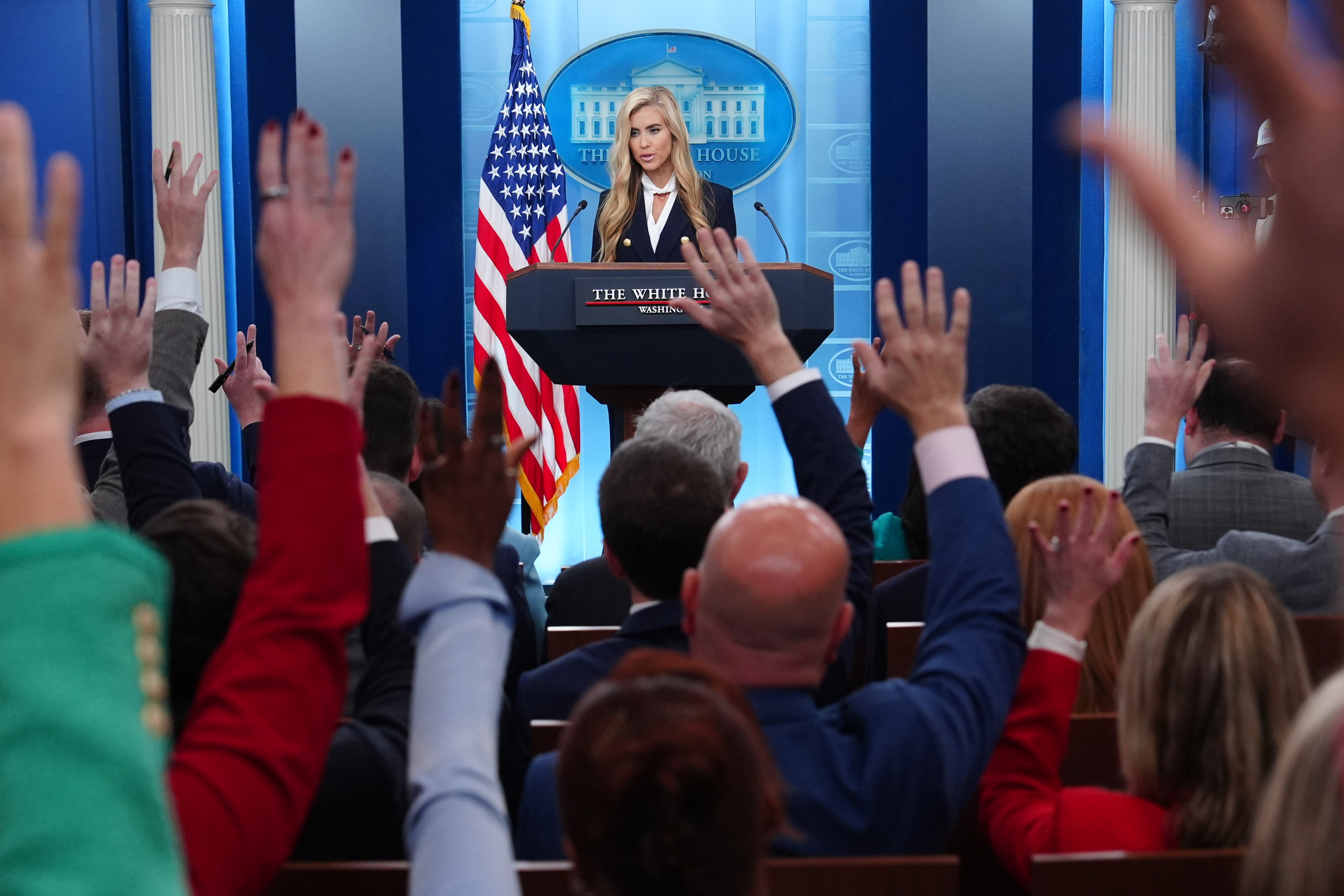
US President Donald Trump accused Ukrainian President Volodymyr Zelenskyy of not wanting to end the war, and defended his administration's decision to waive some sanctions on Russia. The remarks landed amid renewed tensions over US policy toward Moscow, with the sanctions relief itself the most contested piece of the package.
What Trump actually said
Trump's charge against Zelenskyy was direct: he said the Ukrainian president doesn't want the war to end. He paired that with a defense of waiving certain Russia sanctions, framing the relief as a deliberate policy choice rather than an oversight. The remarks weren't tied to a specific date or venue in the record of the event, which matters for anyone trying to line them up against market moves.
📊 Market Data Snapshot
The substance is thin on detail. Which sanctions were waived, under what authority, and with what carve-outs aren't specified. That vagueness is the story for anyone whose job involves reading sanctions language for a living.
The compliance gray zone
For crypto businesses, a US waiver that doesn't specify which transactions are now permissible is worse than no waiver at all. EU sanctions still apply, and FATF travel-rule obligations don't disappear because Washington blinked. Exchanges and custodians that touch Russian-adjacent wallets face a choice between geo-fencing services and de-risking entire corridors — neither of which is cheap.
Watch for quiet updates to terms of service or new geo-blocks on Russian IPs in the coming weeks. That's the tell that compliance teams are reading the waiver as a trap rather than a green light. Nobody's going to announce it in a press release.
There's a second-order risk most crypto coverage will skip: if the waivers eventually reach crypto-specific designations — sanctioned Russian exchanges or OFAC-listed wallets — the precedent for sanctions arbitrage gets set in public. That would raise regulatory uncertainty for Western venues and push some flow toward non-KYC platforms. None of that is confirmed. It's the tail risk worth pricing.
Why bitcoin isn't moving
BTC is changing hands at $82,087, up 0.86% over 24 hours and down 1.83% on the week. Volume is low. Dominance is high. The Fear & Greed reading sits at 59 — greed, but not the kind that chases headlines.
That's the context Trump's remarks are landing in: a market that has spent weeks chopping in a tight range and has largely stopped reacting to geopolitical noise. There's no direct mechanism here — no sanctions on crypto entities, no regulatory change, no OFAC action against an exchange. The transmission channel is indirect and historically weak. Low volume makes it weaker still.
The more interesting scenario is the one the headlines bury. If Trump's accusation is a negotiating tactic aimed at forcing Kyiv into talks, a surprise ceasefire would cut energy prices and ease inflation expectations. That's a risk-on catalyst, and crypto would catch some of it. Markets are currently priced for a long conflict. They're not priced for peace breaking out.
The timeline problem
One thing to flag: the remarks carry no timestamp in the record. If they were made before the recent drift toward the low $80Ks, they're already in the price and the causal story writes itself backwards. Traders who attribute the next move to this headline are guessing.
The concrete thing to watch is whether the administration follows the waiver with specifics — named entities, named authorities, named carve-outs. Until then, compliance desks are working off a document that says 'some' and means nothing operationally. The next round of exchange terms-of-service updates will show how they've read it.