The Trump administration is considering a deal that would fast-track Saudi Arabia's nuclear energy program, a move that could reshape US-Iran talks and raise new concerns about regional stability. The potential agreement, still under discussion, would allow Riyadh to develop nuclear power with less stringent oversight than current nonproliferation rules require.
The contours of the deal
Details remain sparse, but the core of the proposal involves the United States easing restrictions on Saudi enrichment and reprocessing capabilities. Under standard US nuclear cooperation agreements, partner countries typically forgo the right to enrich uranium or reprocess spent fuel — the so-called gold standard. The Trump deal would reportedly drop that requirement for Saudi Arabia, giving the kingdom a path to a full nuclear fuel cycle.
Saudi officials have long argued they need domestic enrichment to achieve energy independence and reduce reliance on oil. Critics say the technology could be used to produce weapons-grade material. The deal would mark a sharp departure from decades of US policy aimed at preventing nuclear proliferation in the Middle East.
Impact on US-Iran diplomacy
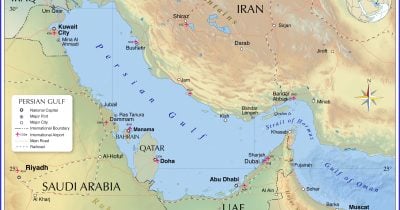
The timing is particularly sensitive. The Trump administration has been engaged in talks with Iran over its nuclear program, seeking a new agreement to replace the 2015 nuclear deal. A Saudi nuclear deal could complicate those negotiations. Iran has already warned that any US move to give Riyadh nuclear technology would be seen as a provocation, potentially hardening Tehran's position at the bargaining table.
Iranian officials have signaled that a Saudi enrichment program would undermine any new limits on their own nuclear activities. The dynamic creates a delicate balancing act for Washington: pushing for a deal with Riyadh while trying to keep Iran from racing ahead.
Regional security and proliferation risks
Beyond US-Iran relations, the deal could destabilize the broader Middle East. Other Gulf states, including the United Arab Emirates, have already expressed interest in nuclear energy. A Saudi exception could trigger a cascade of similar demands, eroding the global nonproliferation framework.
Nonproliferation experts have raised alarms. The risk is not just that Saudi Arabia might one day build a bomb, but that the mere existence of a Saudi enrichment program would fuel a regional arms race. Israel, which is widely believed to have its own nuclear arsenal, has not publicly opposed the deal, but its security establishment is watching closely.
The deal also faces hurdles in Congress. Lawmakers from both parties have historically insisted on the gold standard for nuclear cooperation agreements. Any attempt to bypass that requirement would likely face fierce opposition, especially given Saudi Arabia's human rights record and its role in the Yemen war.
For now, the administration has not formally notified Congress of any agreement. The next steps will depend on how the White House balances its dual goals: containing Iran's nuclear program and deepening the US-Saudi strategic partnership. The outcome could set a precedent that lasts long after Trump leaves office.