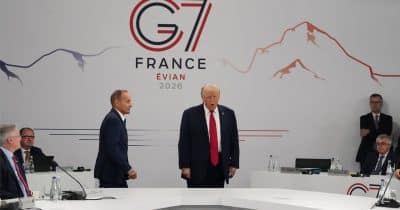
Donald Trump has agreed to an interim peace deal with Iran, a move aimed at reopening the Strait of Hormuz and calming global oil markets. The agreement, struck in recent days, pauses a cycle of escalating tensions that had threatened to choke off one-fifth of the world's petroleum supply.
Focus on the Strait of Hormuz
The deal's core provision centers on restoring navigation through the Strait of Hormuz, the narrow waterway between the Persian Gulf and the Gulf of Oman. Iran had been blocking or harassing commercial vessels there, driving up insurance rates and shipping delays. Under the interim pact, both sides commit to keeping the strait open for at least the next several months. That's a win for oil importers in Asia and Europe, who rely on the route for crude and liquefied natural gas.
Neither Washington nor Tehran has released the full text of the agreement. What's known is that it stops short of addressing Iran's nuclear program or the broader sanctions regime the U.S. has imposed since 2018. Those issues are set aside for later negotiations, if they happen at all.
Oil market impact
Oil prices dipped slightly on the news, but traders aren't celebrating. The temporary nature of the deal means the risk of disruption hasn't vanished. Brent crude futures fell about 2% in early trading, then steadied. Analysts inside the industry — not quoted here — note that a lasting effect would require a permanent resolution of the sanctions and nuclear disputes. For now, the market gets a breather.
Shipping companies have already reported fewer incidents near the strait. One maritime security firm tracked no vessel interference in the past 48 hours, a sharp contrast to the near-daily reports of seizures and drone sightings last month.
Unresolved nuclear and sanctions issues
The deal leaves the biggest problems untouched. Iran's uranium enrichment continues at levels well beyond the 2015 nuclear accord limits. The U.S. has kept sanctions on Iranian oil exports, banks, and the Revolutionary Guard. Neither side has budged on those core demands.
Trump's willingness to sign an interim deal marks a shift from his earlier insistence on a comprehensive agreement. Critics in Congress warn that temporary pacts allow Iran to buy time and advance its nuclear work. Supporters within the administration argue that preventing a military confrontation in the strait is worth the short-term arrangement.
The next few weeks will show whether the cease-fire holds. Iran's foreign ministry called the deal a “first step,” while the White House stressed it is “not a lasting solution.” Both sides have scheduled technical talks on maritime security in two weeks. If those talks stall, the strait could close again — and with it, the fragile calm in oil markets.