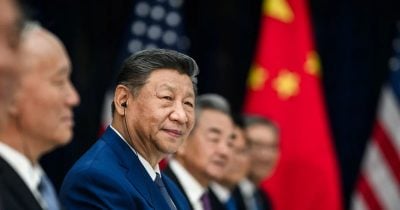
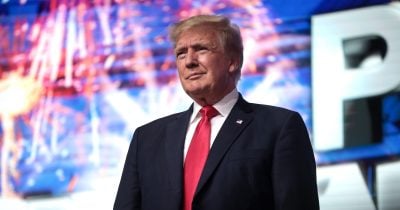
U.S. President Donald Trump and Chinese President Xi Jinping have agreed to keep the Strait of Hormuz open for maritime traffic, a rare moment of consensus as tensions between Washington and Tehran continue to rise. The commitment, confirmed by both sides, aims to prevent disruption to one of the world’s most critical oil transit chokepoints.
Why the Strait Matters
The narrow waterway between the Persian Gulf and the Gulf of Oman carries about a fifth of the world’s daily oil consumption. Any blockade or military confrontation there could send global energy prices soaring and trigger economic fallout. The Trump-Xi pledge signals that both Washington and Beijing recognize the strategic importance of keeping the route free.
A Rare Alignment Amid Rivalry
The agreement comes at a time of deep trade friction and geopolitical competition between the U.S. and China. But on the issue of maritime security in the Persian Gulf, the two leaders found common ground. Their joint statement — issued without elaboration — underscores how both economies depend on stable oil flows from the region.
What the Agreement Does and Doesn't Do
The commitment is largely symbolic, as neither side detailed how it would be enforced or what consequences would follow a violation. The Strait of Hormuz is already an international waterway under international law, but threats from Iran to close it have periodically rattled markets. The Trump-Xi agreement adds political pressure on Tehran to avoid any escalation.
The pledge does not resolve the underlying U.S.-Iran standoff over nuclear programs and sanctions. But for now, the world’s two largest economies have sent a clear message: the Strait of Hormuz stays open.