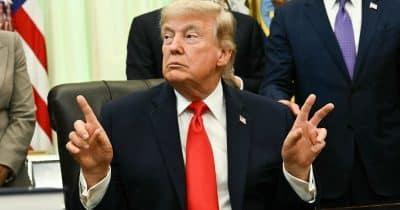
President Donald Trump announced a new Iran deal at the G7 summit on Tuesday, a surprise diplomatic move that could ripple through global energy markets and, by extension, the cryptocurrency sector. The full text of the agreement is expected after a formal signing ceremony on Friday, but the early signal of easing Middle Eastern tensions has already drawn attention from traders and analysts watching for shifts in oil prices and risk appetite.
What the deal entails
Details remain sparse until Friday's signing, but the announcement itself marks a sharp departure from the administration's previous hardline posture. The deal is expected to include limits on Iran's nuclear program in exchange for sanctions relief, potentially unlocking Iranian oil exports that have been constrained for years. That prospect alone could weigh on crude prices, which have been a key driver of inflation and, indirectly, of crypto market volatility.
Why crypto markets are watching
Bitcoin and other digital assets have shown an increasing correlation with traditional macro factors, especially energy costs and geopolitical risk. A sustained drop in oil prices could ease inflationary pressures, giving central banks more room to pause or reverse rate hikes — a scenario that historically benefits risk-on assets like crypto. Conversely, a sudden de-escalation in the Middle East might reduce the safe-haven bid that has occasionally boosted Bitcoin during crises.
The timing isn't great for some crypto miners, who have been grappling with high energy costs. Cheaper oil could eventually feed into lower electricity prices in certain regions, though the effect is indirect and takes time to materialize.
Market reaction so far
Bitcoin traded in a narrow range around $68,000 on Tuesday, showing little immediate reaction to the news. Ether and major altcoins were similarly muted. The lack of a sharp move suggests traders are waiting for the full text of the deal before placing bets. However, options markets showed a slight uptick in volatility expectations for Friday, when the signing is scheduled.
Oil futures, meanwhile, slid about 2% on the announcement, with Brent crude falling below $78 a barrel. That decline, if sustained, would mark a significant shift from the elevated levels seen earlier this year.
What happens Friday
The signing ceremony is set for Friday at the G7 venue, with the full agreement expected to be published shortly after. Market participants will be parsing the fine print for details on sanctions relief timelines, verification mechanisms, and any side deals that could affect energy flows. For crypto, the key question is whether the deal holds together — and whether it signals a broader shift in U.S. foreign policy that could reshape the macro landscape for months to come.