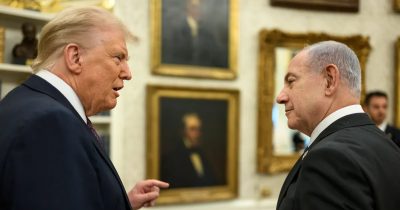
Iran fired missiles at Israel early Sunday, retaliating for an Israeli strike on Beirut that killed two and wounded 20. The escalation sent crypto markets deeper into 'Extreme Fear' territory, though former President Donald Trump’s immediate call for restraint may blunt the worst regulatory threats.
The Contrarian Signal
Most traders are dumping crypto amid Middle East tensions, but Trump’s hands-off stance changes the game. His urging Israel to stand down lowers the risk of U.S.-led emergency crypto crackdowns that scare markets more than missile strikes. This isn’t about de-escalation—it’s political theater. The real panic was always a Washington power play, not Tehran’s rockets.
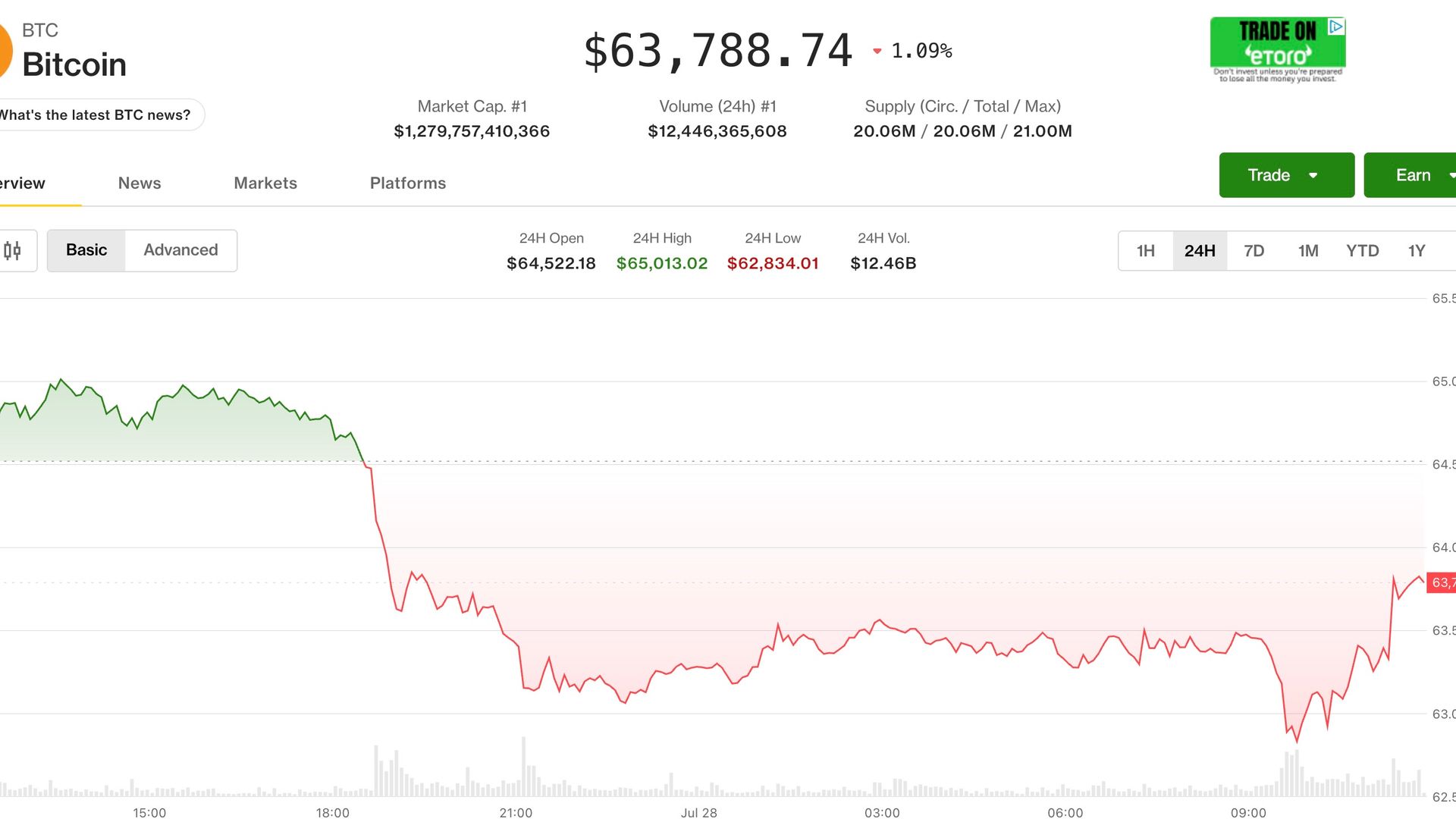
📊 Market Data Snapshot
Lebanon’s Quiet Crisis
Beirut’s financial district took the Israeli hit harder than headlines admit. Lebanese citizens rely on crypto for 30% of remittances—$3 billion yearly. Stablecoin redemptions are already surging as the financial infrastructure crumbles. Tether’s ties to local banks face pressure too. A full-blown bank run here could rip through global crypto liquidity even if world markets shrug it off.
2020 Flashback
We’ve seen this movie before. When Iran struck U.S. bases after the 2020 Soleimani killing, Bitcoin dropped hard but rebounded in weeks. Then as now, oil didn’t spike and no global recession followed. Markets will likely repeat that pattern: a 5-8% dip in crypto, then a grind higher once traders realize regional firefights don’t sink the digital gold thesis.
Monday’s Test
Israel’s next move decides everything. A limited counterstrike keeps the conflict contained; broader retaliation risks oil above $100 and a cascading crypto selloff. Iranian miners controlling 12% of Bitcoin’s network are watching energy facilities for strikes—any major outage would slow transactions. U.S. exchanges open Monday at 9 a.m. Eastern. If prices recover quickly there, the panic’s over.