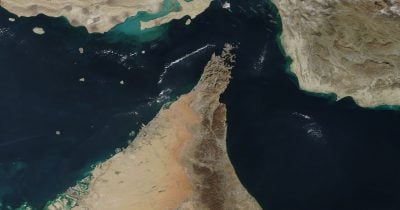
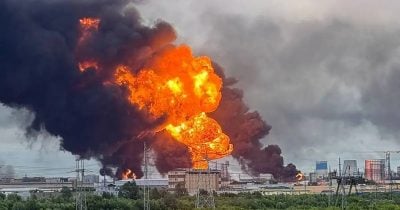
President Donald Trump confirmed that no ships are currently moving through the Strait of Hormuz, effectively acknowledging a blockade that has tightened amid rising US-Iran tensions. The statement, made without naming a specific military action, signals that the waterway — a crucial artery for global oil shipments — remains effectively shut to commercial traffic.
What Trump said about the blockade
Trump's remark that “no vessels are passing through” the Hormuz blockade came during a brief exchange with reporters. He did not provide details on how long the blockade has been in place or which forces are enforcing it. The confirmation deepens a crisis that has been building for weeks, with both Washington and Tehran trading threats over the strategic strait.
Impact on global oil transit and markets
The Strait of Hormuz sees about a fifth of the world's oil pass through its narrow channel. With the blockade effectively halting that flow, oil markets have already shown signs of strain. Traders are bracing for price spikes and supply disruptions, though no official estimate of economic losses has been released. The blockade also threatens natural gas shipments from Gulf states, compounding the risk to energy stability.
Geopolitical analysts say the move exacerbates tensions that were already high after a series of hostile incidents in the region. The US and Iran have accused each other of aggression, but neither side has publicly called for de-escalation.
Diplomatic outlook remains uncertain
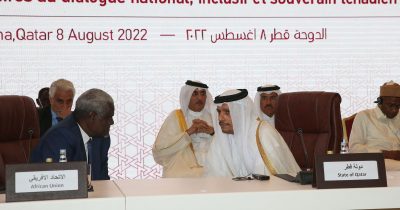
No direct talks between Washington and Tehran have been announced, and diplomatic outcomes are anything but clear. European allies have urged restraint but have not proposed a concrete resolution. The blockade could last days or weeks — there is no timeline, no deadline, and no signal from either capital about what might break the standoff.
For now, the blockade holds. Ships wait. Markets watch. And the question hanging over the Strait of Hormuz is not whether it will reopen, but when — and at what cost.