Executive Summary
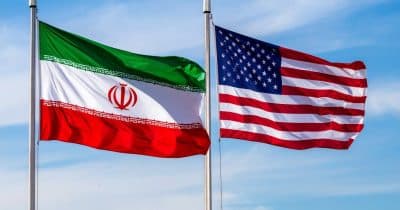
Two senior representatives of the United States – Michael Witkoff and Jared Kushner – are scheduled to travel to Pakistan later this week for discussions that could shape the next phase of U.S.–Iran relations. Iranian officials confirm that Foreign Minister Abbas Araghchi is already in the country, but they stress that no formal meeting with the United States is planned at this time. The move signals a tentative diplomatic opening, a development that analysts say could ripple through risk‑on markets, including Bitcoin and other digital assets.
📊 Market Data Snapshot
What Happened
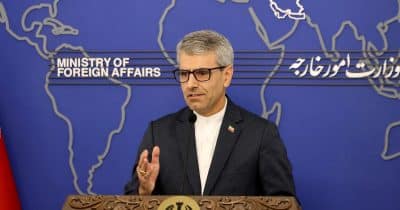
The United States announced that its envoys, Michael Witkoff and Jared Kushner, will fly to Pakistan to engage in Iran‑related talks. The announcement came amid broader U.S. efforts to re‑engage with Tehran after a prolonged period of sanctions and diplomatic distance. Iranian officials have confirmed that their foreign minister, Abbas Araghchi, is currently in Pakistan, positioning him to potentially interact with the U.S. team.
Despite the presence of Iran’s foreign minister, the Iranian government has publicly stated that no direct meeting between the United States and Iran is scheduled. This clarification underscores the tentative nature of the diplomatic overture and leaves room for behind‑the‑scenes negotiations.
Background / Context
The United States has been seeking avenues to de‑escalate tensions with Iran, a country that remains under extensive sanctions and is a key player in regional energy markets. Recent months have seen a modest shift in rhetoric, with both sides signaling a willingness to explore diplomatic channels, albeit cautiously.
Pakistan serves as a strategic waypoint for these talks. Its geographic proximity to Iran and its emerging crypto‑friendly regulatory sandbox make it a practical meeting ground for officials from both sides. The presence of Iran’s foreign minister in Pakistan suggests Tehran is preparing for possible dialogue, even if formal talks have not yet been confirmed.
Reactions
U.S. officials have framed the trip as a step toward “constructive engagement” with Iran, emphasizing the importance of open lines of communication. Iranian officials, while acknowledging the arrival of their foreign minister, have reiterated that no official U.S.–Iran meeting is on the agenda, a stance that aims to manage domestic expectations and international scrutiny.
Market observers note that the announcement arrives at a time when crypto sentiment is already fragile, with broader financial markets displaying heightened fear. Analysts suggest that any sign of diplomatic progress could temper risk‑off flows into Bitcoin, while continued ambiguity may sustain the current cautious mood.
What It Means
Geopolitical risk has long been a catalyst for Bitcoin’s “digital gold” narrative. A potential de‑escalation between the United States and Iran could diminish the flight‑to‑safety demand that has buoyed Bitcoin in past crises. Conversely, if the talks stall or produce ambiguous outcomes, the prevailing fear in broader markets could reinforce Bitcoin’s role as a hedge, keeping risk‑off investors engaged.
Beyond sentiment, there are concrete on‑chain implications. Iran has historically relied on cryptocurrencies to circumvent sanctions, using stablecoins and peer‑to‑peer transfers to move value. Should the diplomatic channel open, Tehran may seek to shift some of that activity through Pakistani exchanges, leveraging Pakistan’s nascent regulatory sandbox to access more robust fiat‑crypto infrastructure.
Market Impact
Given the lack of concrete policy outcomes, the market is likely to price the probability of both de‑escalation and renewed tension. In a low‑volume environment, even modest order flow can create noticeable price movement. The current sentiment is slightly bearish, and the news adds a layer of uncertainty that could generate short‑term sell pressure on risk‑on assets, including Bitcoin.
However, the very act of high‑level diplomatic engagement may also attract speculative interest, as traders anticipate a potential shift in risk appetite. The net effect is expected to be muted, with Bitcoin likely to trade close to its prevailing levels while altcoins, already under pressure from high Bitcoin dominance, may lag behind.
What Happens Next
The immediate next step is the arrival of Witkoff and Kushner in Pakistan later this week. Observers will watch for any public statements or press briefings that hint at the tone of the discussions. Parallelly, on‑chain analysts will monitor Bitcoin inflows to Pakistani exchanges, especially from wallets previously linked to Iranian state entities, as a possible early indicator of covert financing activity.
In the medium term, the outcome of these talks could influence U.S. sanctions policy, affect oil‑price volatility, and reshape the regulatory landscape for crypto in both Iran and Pakistan. Market participants should stay alert to official communications from both governments, as well as any shifts in on‑chain transaction patterns that may signal deeper strategic moves.